Chairs from China: the joint takes the load
A chair is small, cheap to photograph and hard to make well. It is dragged, tilted, dropped and leaned on. The joint that looks fine in a showroom is the part that decides whether it survives a year.
We source chairs from Chinese workshops for importers, wholesalers and retail brands, as part of our furniture sourcing service. Dining chairs, armchairs, stools and accent chairs are different shapes with the same structural question: where does the load go when someone leans back?
The answer is usually the leg-to-seat joint and the back fixing. Those are also the two places a lower quote saves money first.
A chair is a small structure with a hard life
A chair carries a person, then a person shifting, then a person tilting back on two legs. It gets dragged across a floor, bumped by a table and dropped from a pallet. The finish has to survive handling, and the frame has to survive racking.
That is why a chair cannot be specified from a photo. The shape tells you where the legs are. It does not tell you the section of the leg, the depth of the mortise, the glue, the corner block or the gauge of the metal frame. Those are the parts that decide whether the chair stays tight.
The four joints that matter
Leg to seat. This joint takes the highest load. A short screw into end grain will loosen. A proper mortise and tenon, a dowel system or a metal bracket spreads the load into the seat frame.
Seat frame. The rails have to resist racking when someone leans. A thin rail with a decorative shape can look right and twist under load.
Back fixing. The back is a lever. The higher it is, the more load it puts on the joint at the seat. A back fixed only to the upholstery or the back panel will move.
Arms. An arm is a handle as well as a support. People use it to pull the chair out and to push themselves up. The fixing has to take that sideways load, not just the downward one.
The seat is comfort and durability
Foam density, webbing, springs and the seat platform decide how a chair feels on day one and how it feels after a year. A soft seat can be comfortable in a showroom and bottom out in a dining room. A firm seat can last and still be uncomfortable if the shape is wrong.
We confirm the seat construction, the foam grade, the cover and the way the cover is fixed. On a removable cover we check the zip, the piping and whether it can be put back by a customer. On a fixed cover we check the seam tension and the underside, because that is where a cheap chair is usually finished badly.
What we fix before we quote
| Item | What we confirm | Why it matters |
|---|---|---|
| Frame and joints | Timber species, section, mortise, dowel, corner block, glue and fixing | The joint is the difference between a tight chair and a wobbly one |
| Back and arms | Fixing points, bracket, panel weight and leverage | A tall back puts more load on a small joint |
| Seat build | Foam density, webbing or springs, platform, cover fixing | Comfort and durability are decided under the fabric |
| Upholstery | Fabric direction, pattern repeat, seam, piping and cleaning code | Small panels make pattern alignment less forgiving |
| Feet and glides | Material, shape, fixing and floor protection | A hard glide can mark a floor and a loose one falls out |
| Stacking and packing | Stack height, contact points, carton, corner protection and load plan | Chairs are easy to pack badly and expensive to replace |
Three checks, three different jobs
The sample. We sit, lean, tilt and rock the chair. We check the joints, the back movement, the arm fixing and the glides. We also check the upholstery at the seams and the underside, where a sample can be finished better than production.
Mid-production. This is where we check the timber batch, the joint machining, the foam and the fabric cut. A factory can make one tight sample by hand and still cut production joints with a dull tool.
Pre-shipment. We check the finished chairs, the fittings, the cartons and the load plan. On a stackable chair we check the stack height and the protection between chairs. The checkpoints are the same ones described in furniture inspection in China.
Stacking, glides and floors
A stackable chair is not a normal chair with a higher pile. The frame has to take the load of the stack, the seat has to clear the chair below, and the glides have to sit in a position that does not mark the seat. A stack that looks stable in the sample room can lean in a container.
We confirm the stack height, the contact points and the protective material before the sample is approved. For contract or hospitality buyers, we also confirm the glide type and the floor surface it will meet. A chair that scratches a hotel floor is a complaint, not a sale.
Packing a chair is not a box problem
Chairs are awkward: legs, arms and backs create empty space, and the corners take the impact. A carton that is too thin will show crush damage before the chair does. A carton that is too large costs container space on every unit.
We confirm the carton, the corner protection, the separators and the stack before the container is booked. Chairs usually ship with tables, and the two carton types have to work together in the load plan. On a mixed order we can consolidate the cartons into one shipment and one packing list.
What we do not promise
We will not promise an exact copy of a chair from a photo without the dimensions and the joint details. We will not quote a load rating without a test report and a method. We will not treat a furniture showroom feel as a durability test.
What we can do is make the joint, the seat build and the packing visible before the balance is due.
What to send us
- The reference or drawings, including the leg section, the back fixing and the seat build.
- Dimensions, seat height, arm height and the load you expect.
- Whether the chair has to match a table finish or an existing range.
- Stacking, contract use, glides and the floor surface.
- Quantity, destination port and the date you need it on the water.
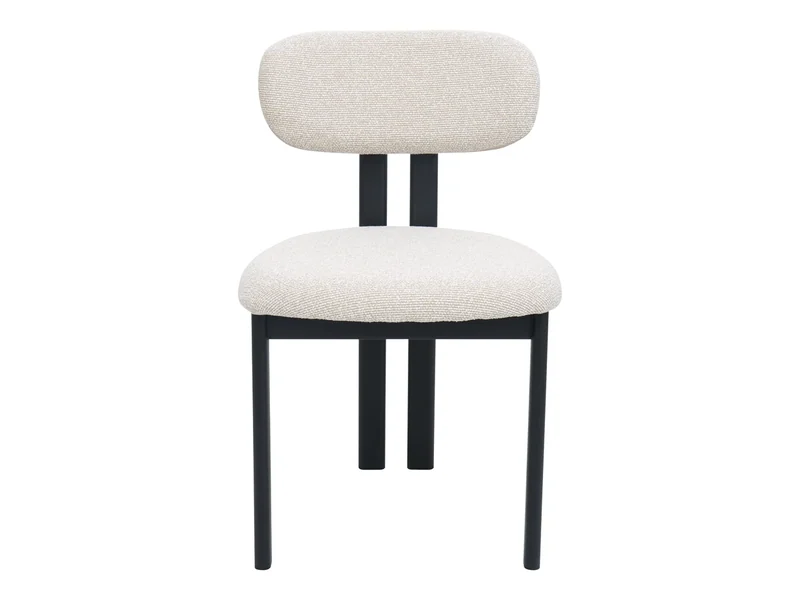
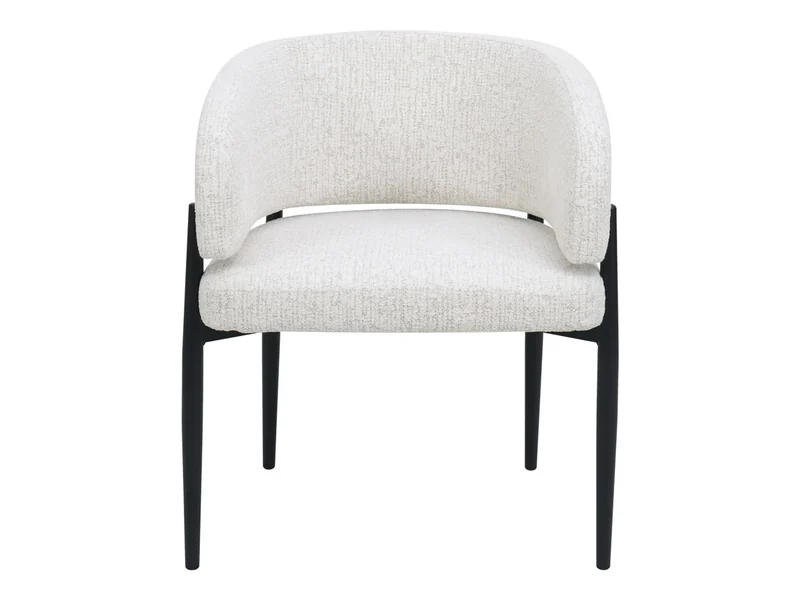
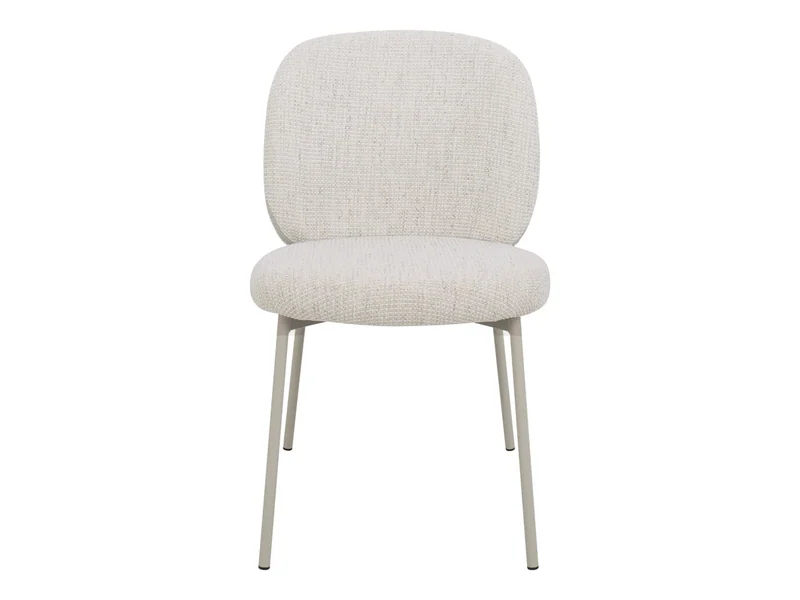
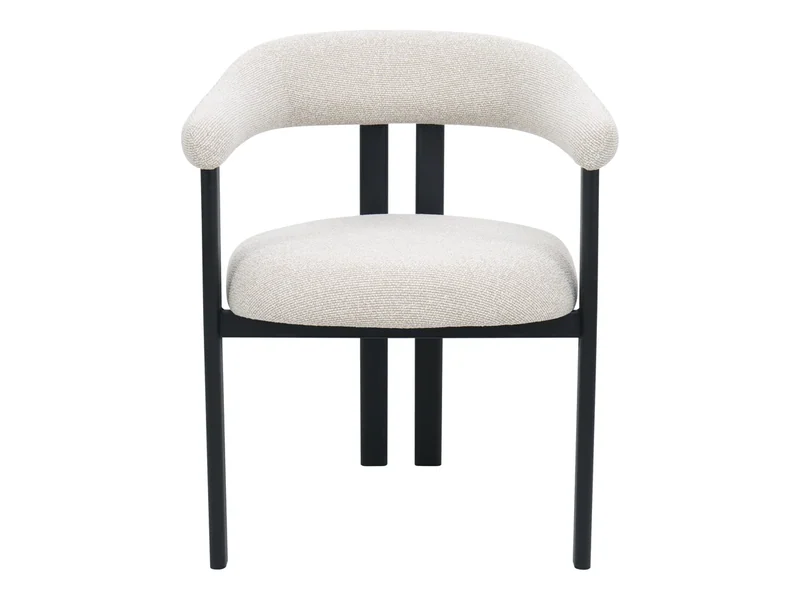
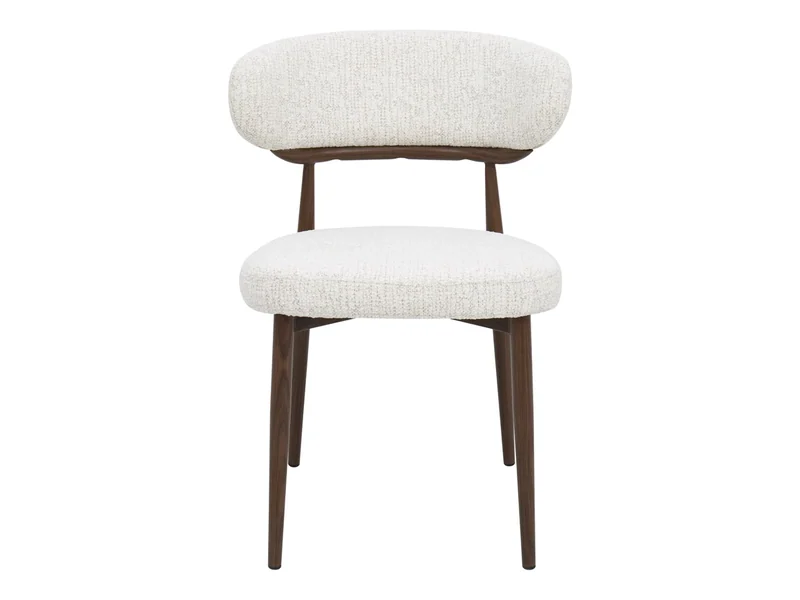
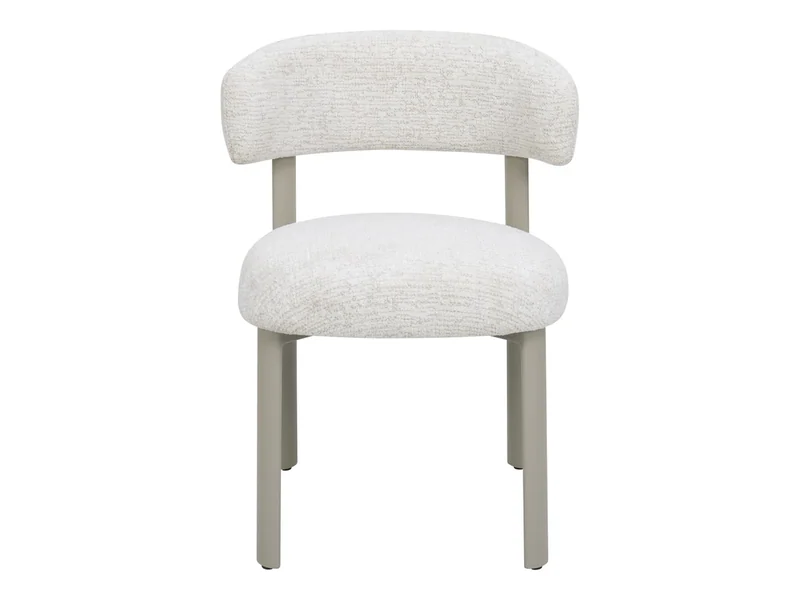
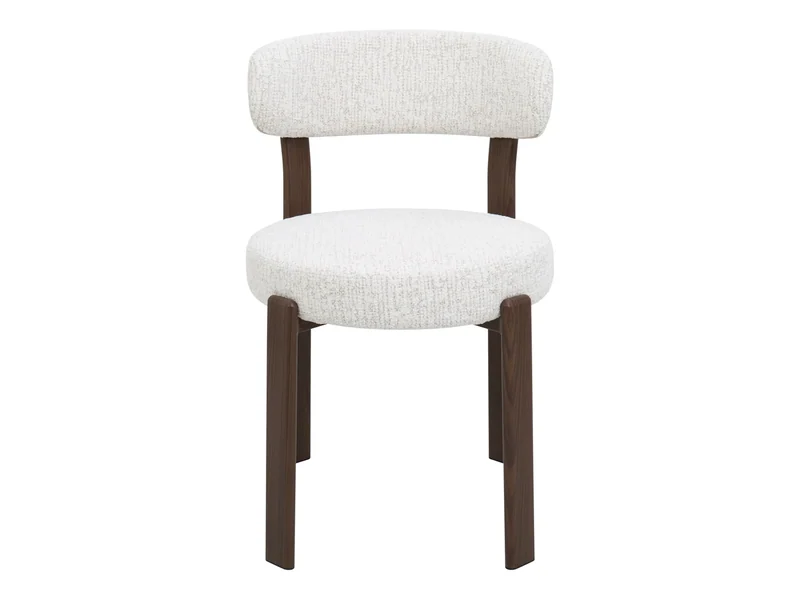
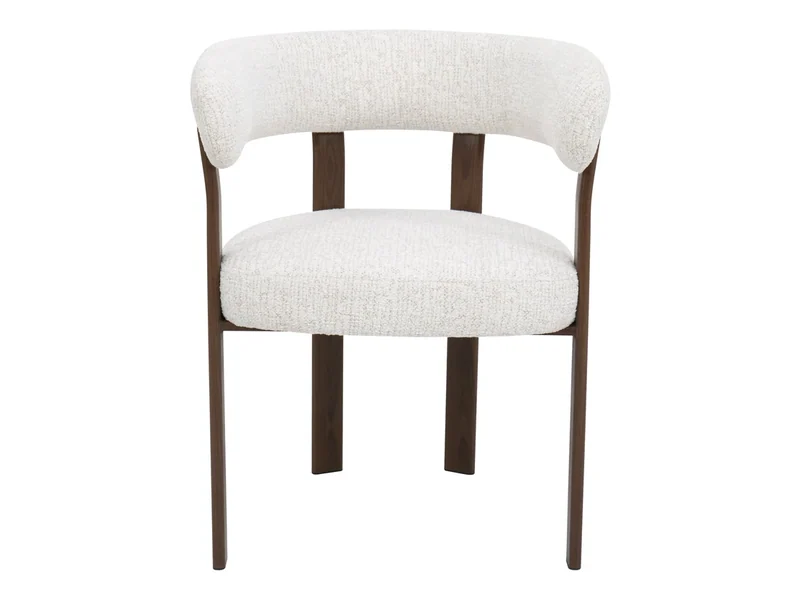
Chair references we work with
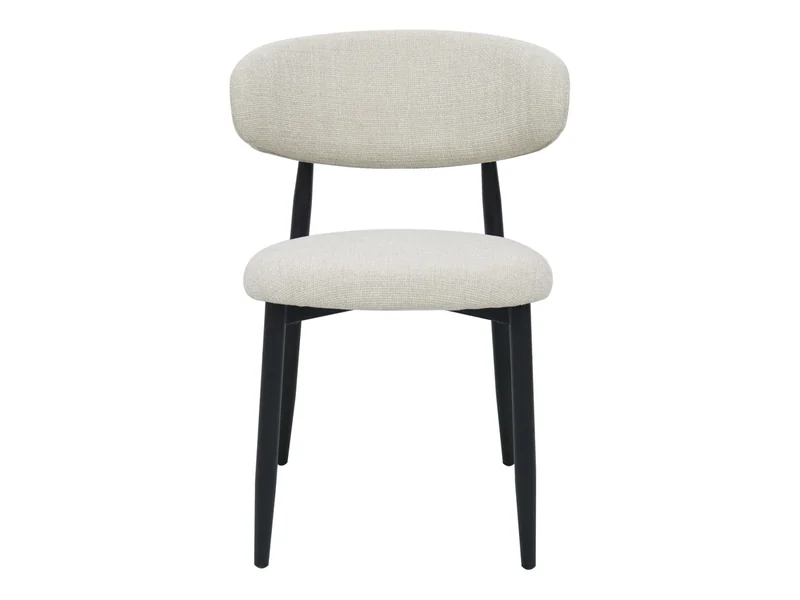
These are chair models we have handled, not a stock list. Availability, MOQ and what the factory can change depend on the workshop and the model. If your reference is not here, send it and we will check which factory already makes that category.
Chair sourcing FAQ
Can you match a chair to a table finish?
Yes, if the finish system and the substrate are compatible. We check the colour and sheen against a physical standard, not a photo, and keep the approved sample for the production batch.
Do you test how much weight a chair can take?
We check the structure under load at the sample stage and confirm the production batch uses the same joints and fittings. If the factory publishes a load test, we ask for the report and the method behind it.
Can the chairs be stackable?
Yes, but stacking changes the frame, the glides and the carton. We confirm the stack height, the contact points and the protective material before the sample is approved.
Can chairs ship with tables in one container?
Yes. Chairs are usually the most efficient item to pack around a table order. We confirm the carton sizes and the load plan before the container is booked.
Do you inspect upholstery on every chair?
We inspect against the agreed plan: seams, tension, pattern alignment and the underside. The report states what was checked and what was photographed; it is not a claim that every unit was individually measured.
Send the reference, the seat height and the destination port. We will tell you what the factory can change, what it cannot, and what the next step looks like.
Send your requirements →