Sofas from China: what we check before the container leaves
A sofa is not one product. It is a frame, a foam build, a fabric cover and a packing method. The order usually fails where one of those four changed after the sample was approved — not where the showroom photo looked wrong.
We source sofas from Chinese workshops for importers, wholesalers and retail brands, as part of our furniture sourcing service. The work is not finding a factory that can show a sofa. It is finding one that can repeat your sofa, at your specification, after the sample has been signed off.
That distinction matters more in upholstery than in hard furniture. A table has a top, a base and a finish. A sofa has a frame hidden inside, foam that compresses, fabric that moves, seams that carry load and a carton that has to survive a mixed container.
Where a sofa order usually goes wrong
The frame. Check the joint fit, corner blocks and glue lines, not just whether the sofa feels solid in the showroom. A frame can feel tight on day one and loosen after a few weeks in a container. Kiln-dried timber, proper corner support and a consistent joint are what make the difference.
The foam. Density and grade have to be checked against the approved specification. A lower-density foam can look the same on the first day and collapse after a season. Compression and recovery matter as much as the initial feel.
The fabric. Pattern repeat, fabric direction and colour match across pieces are easy to miss in a photo. On a sectional or a pair of sofas, a panel cut in the wrong direction shows up under light, not in a flat catalogue image.
The stitching. Seam alignment, piping, tufting and tension are the visible craft. They are also the first things a factory simplifies when a quote is under pressure. A clean seam is not decoration; it is a load-bearing part of the cover.
The packing. A good sofa can arrive damaged because the carton was too weak, the corners were not protected, or the piece was loaded against a hard edge. Loading is part of quality, not a separate logistics detail.
What we confirm before we quote
We do not quote from a picture alone. Before a price means anything, these points have to be fixed in writing.
| Item | What we confirm | Why it matters |
|---|---|---|
| Frame and joinery | Timber type, joint fit, corner blocks, centre support, squeak and racking check | The frame decides how the sofa behaves after delivery, not how it feels in a showroom |
| Foam and filling | Density, grade, compression, recovery, wrap and any substitution | Two sofas can look identical and feel different within a season |
| Fabric and finish | Composition, direction, pattern repeat, colour match, rub performance where supplied | Panel direction and dye lot are where matching goes wrong |
| Stitching and trim | Seam type, piping, tufting, tension, leg and hardware finish | The same shape at a lower price often loses here first |
| Dimensions | Overall size, seat height, seat depth, arm height, back height | A small change can alter the proportion of the whole piece |
| Carton and loading | Carton strength, corner protection, foam wrap, stack plan, container mix | Most transit damage is decided before the container is sealed |
Three checks, three different jobs
The sample. This is where we find out whether the factory understood the specification. We check the frame, foam, fabric, seams, dimensions and hardware against the approved sheet. A sample that passes only because it was made by the best sample maker is not a pass.
Mid-production. This is where we find out whether the line has drifted. The sample room and the production floor are different places. We check the materials, the foam batch, the fabric cut and the first assembled pieces while there is still time to correct them.
Pre-shipment. This is where we find out whether the packed order is the one you approved. We inspect the finished goods, the cartons and the loading plan, and send photos and video before the balance is released. The checkpoints and the report format are the same ones described in furniture inspection in China.
The cheapest quote is usually a different sofa
When one quote is materially below another, the difference is rarely in the factory's profit. It is usually in something you cannot see in a photo: a lighter frame, a lower foam grade, a simpler seam, a thinner carton or a fabric with a different backing.
That does not make the lower quote dishonest. It makes it a different product. Ask for the bill of materials and the packing specification, then compare like for like. A second price without a specification is not a second quote; it is a second guess.
Trial run, mixed models, full container
A trial run is useful when the factory has not made your exact model before. It tests the gap between a sample and a production run while the order is still small enough to correct. A mixed container is useful when you need sofas plus tables, chairs or beds. We can consolidate several factories into one shipment with one packing list.
What we do not recommend is using a trial run to test a factory that cannot show the right category. A workshop that makes beds but not sofas will not become a sofa factory because the order is small.
Loading is part of quality
Heavy pieces go low. Upholstery stays clear of hard edges. Cartons are checked for compression and corner damage before they go in. The seal number is recorded and photographed. These are simple rules, but they are the difference between a sofa that arrives as a sofa and a sofa that arrives as a claim. If you already have a factory but no one on the floor, the mid-production check explains what can still be caught at that stage.
What to send us
- The reference or photos, including the back, the base and the seam detail.
- Dimensions, seat height and seat depth if you have them.
- Fabric or finish direction, and whether the piece must match an existing range.
- Quantity, destination port and the date you need it on the water.
- Any packing or labelling rule your warehouse requires.
Sofa references we work with
These are sofa models we have handled, not a stock list. Availability, MOQ and what the factory can change depend on the workshop and the model. If your reference is not here, send it — we will check which factory already makes that category.
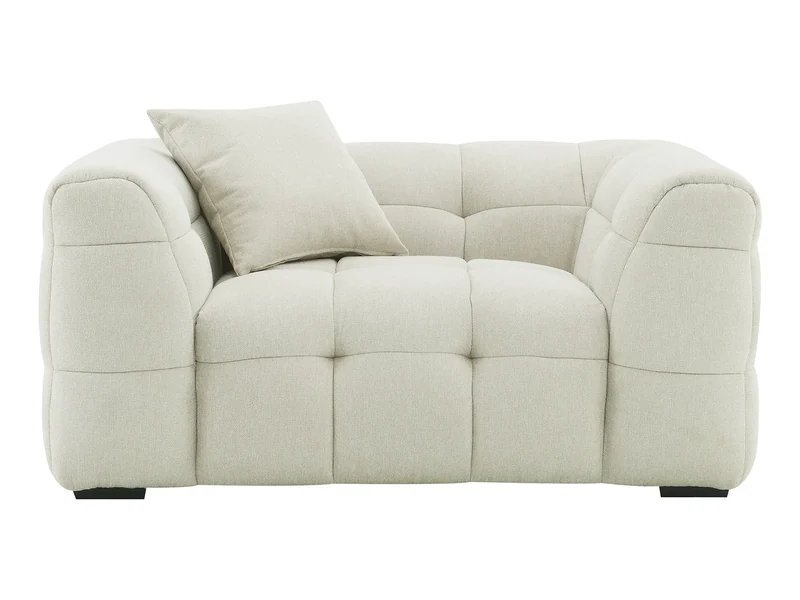 12302
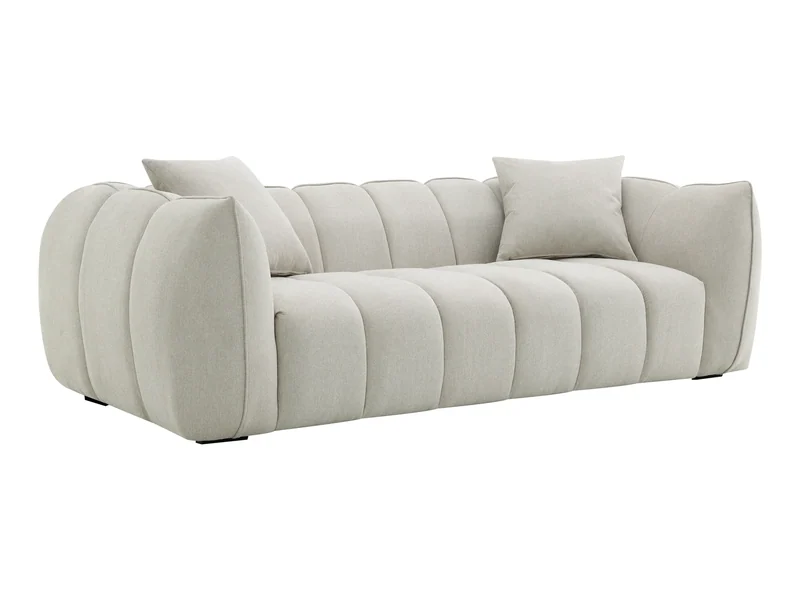 12303
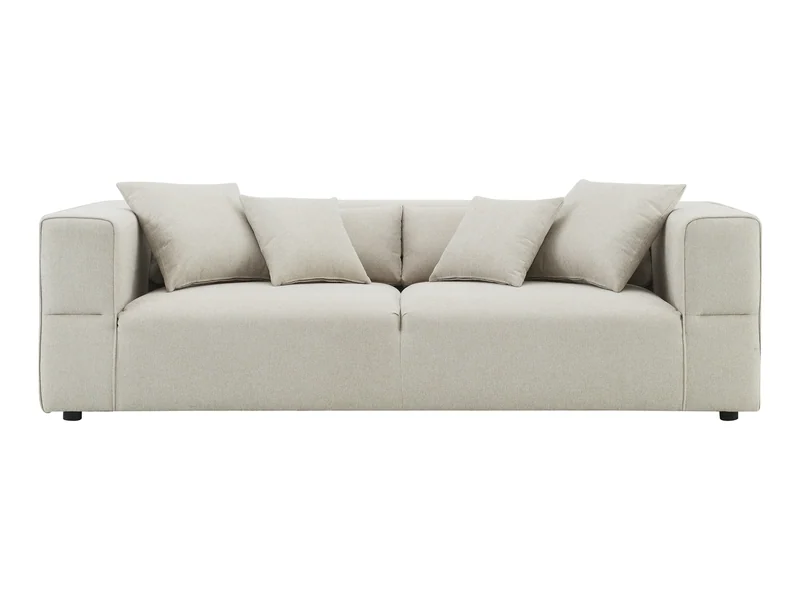 12306
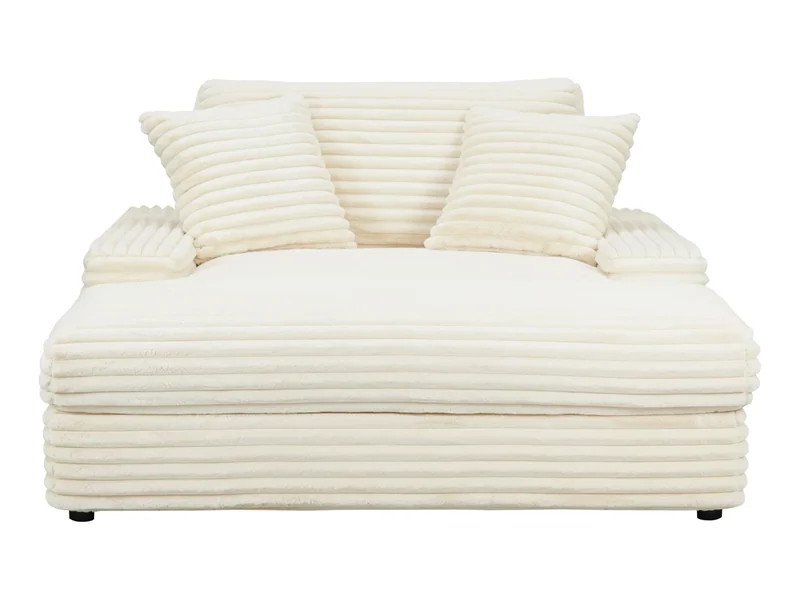 12325
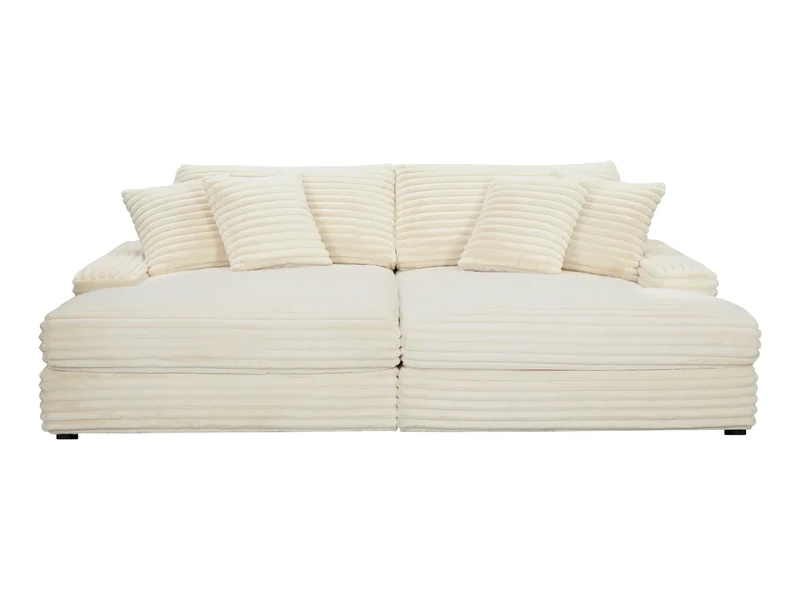 12326
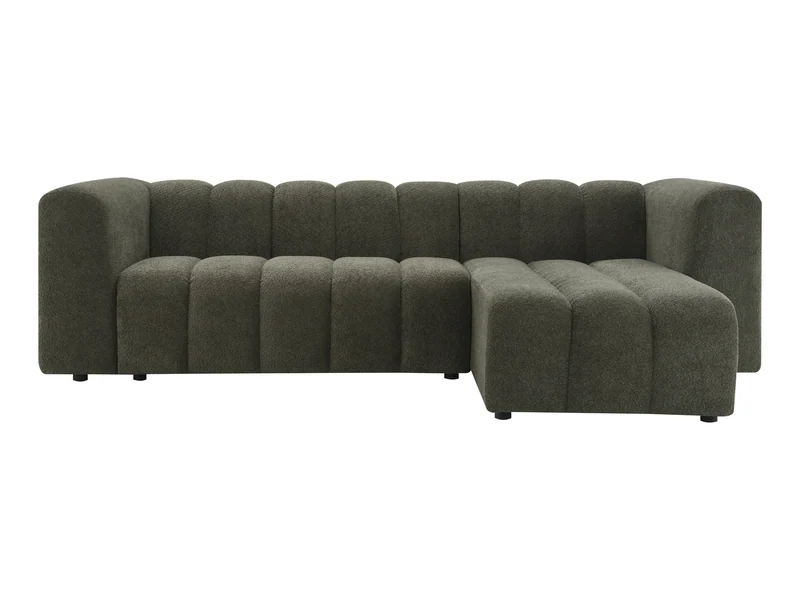 12340
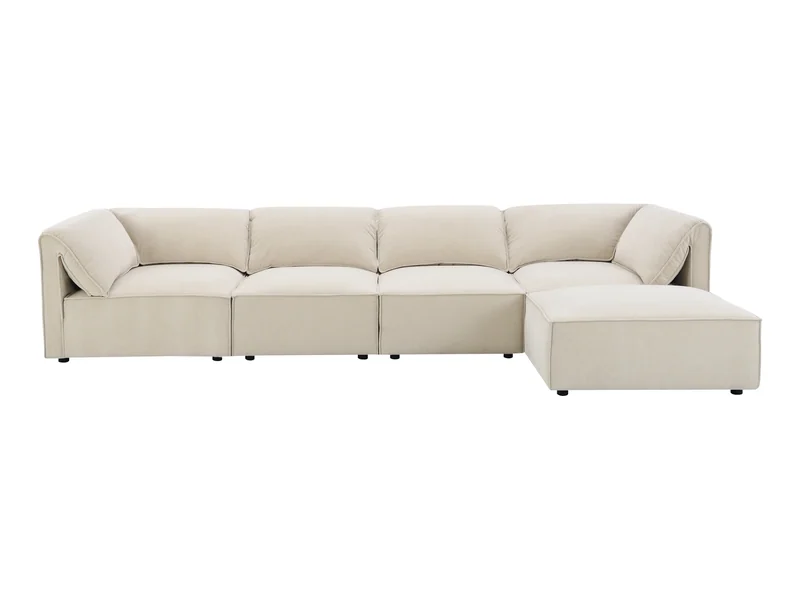 12353
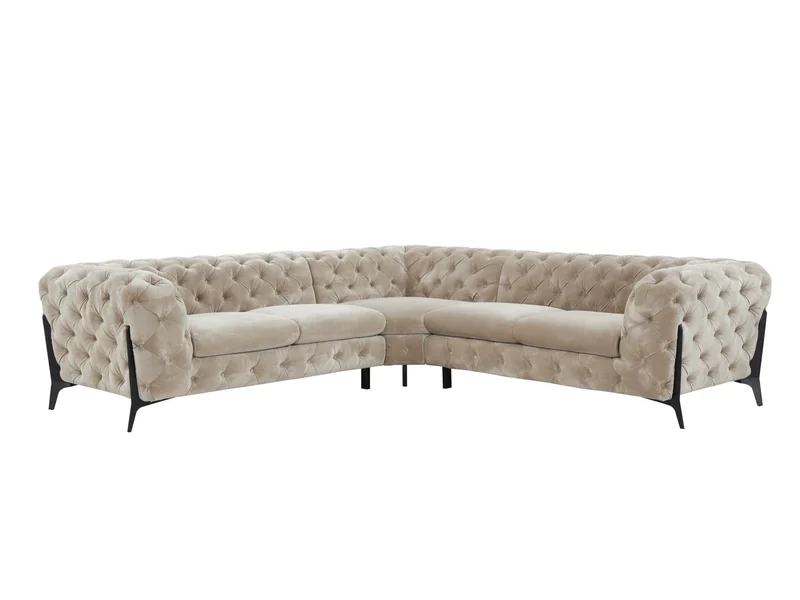 1346A
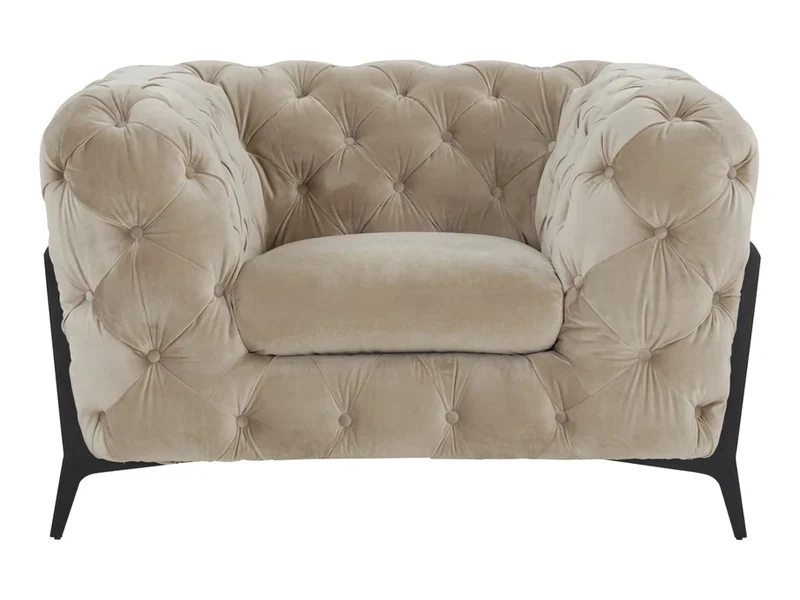 1646
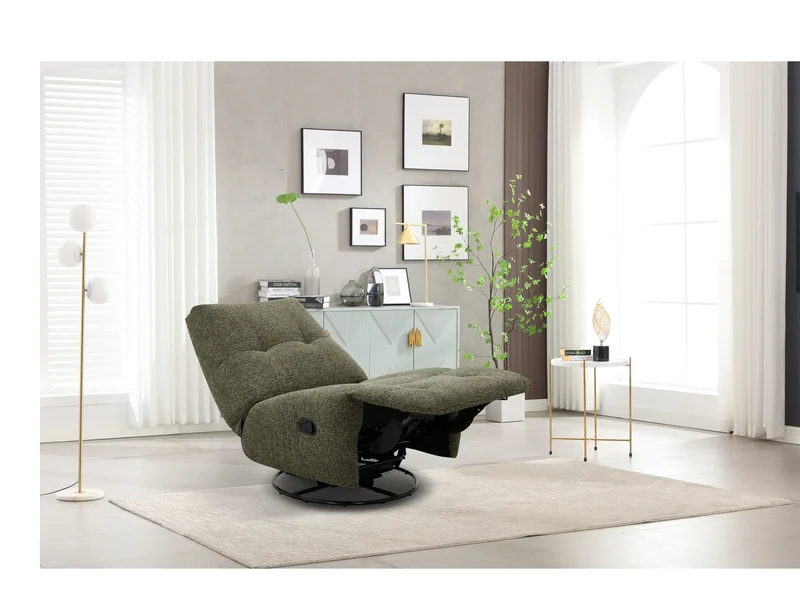 CR0449AF71N
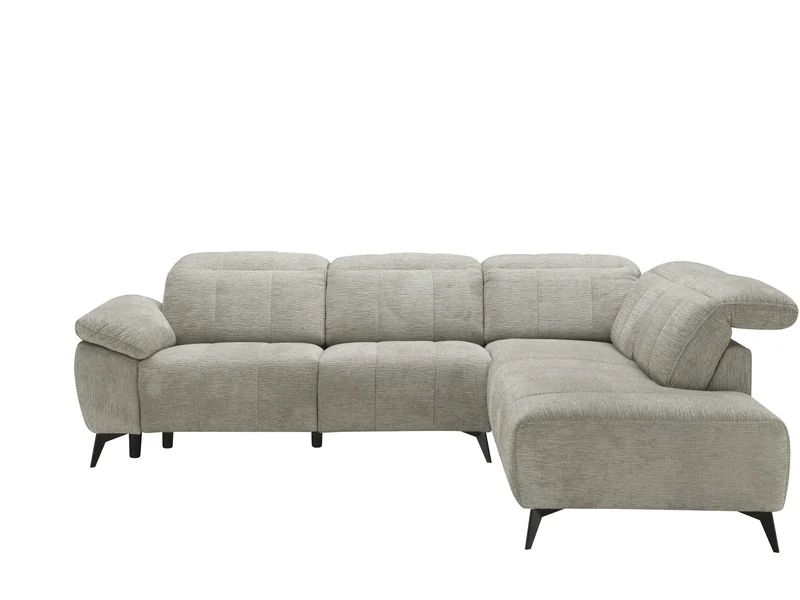 GB227CBR
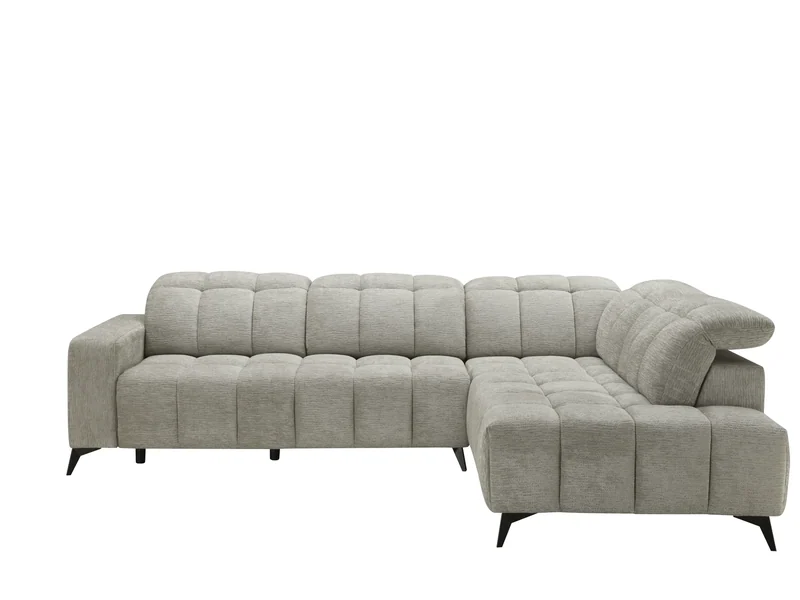 GB293DCR
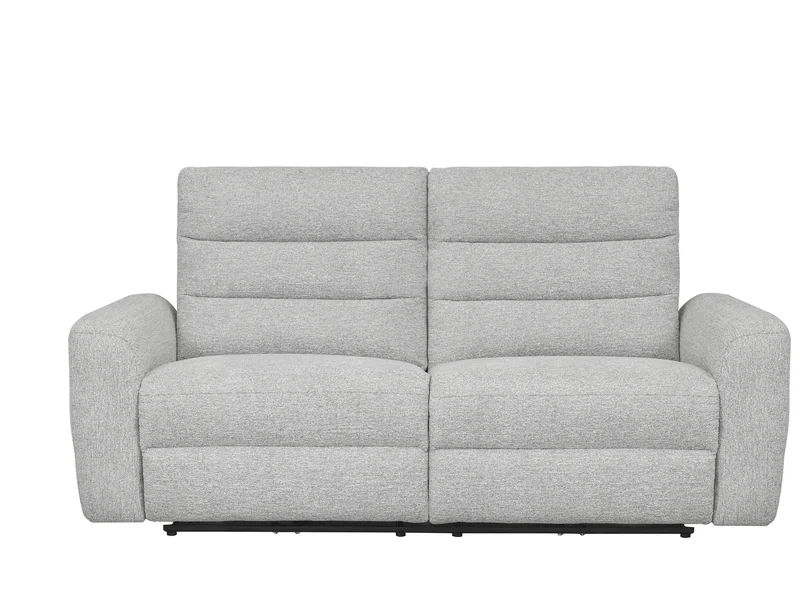 GB359CR
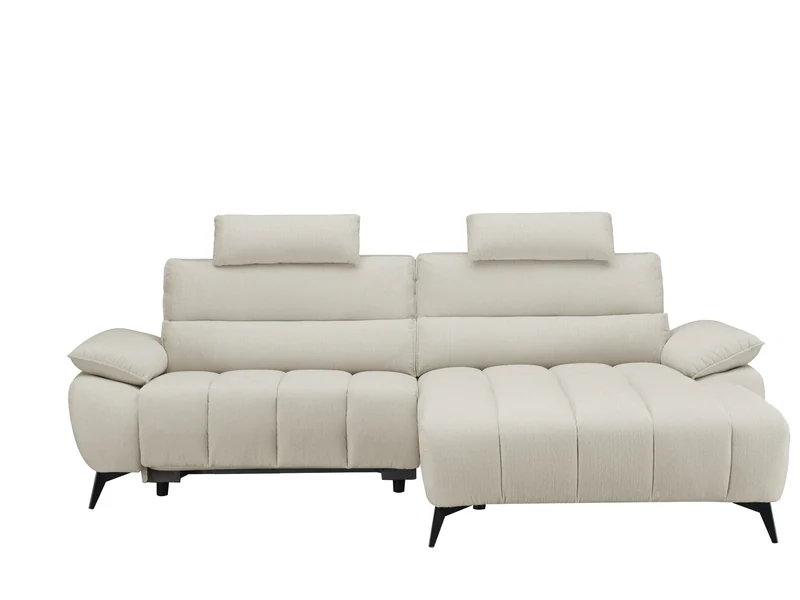 GB392AR
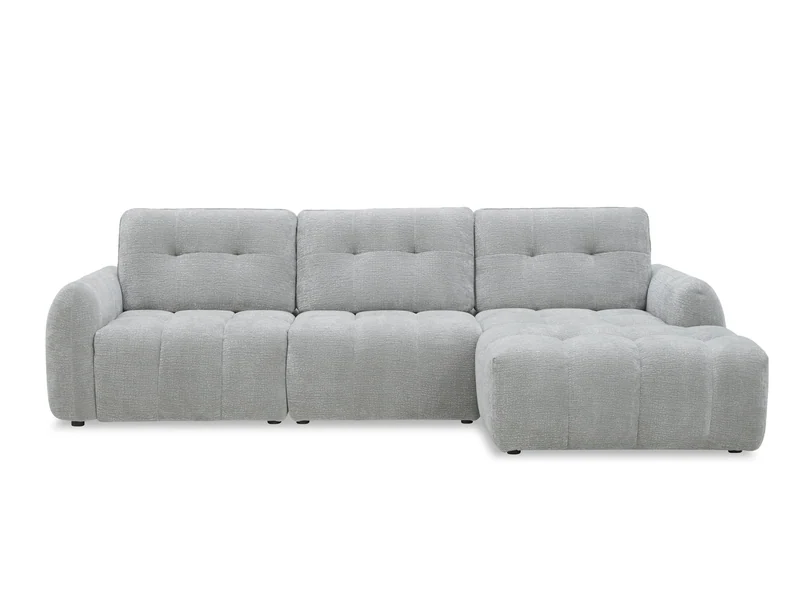 KF.8618
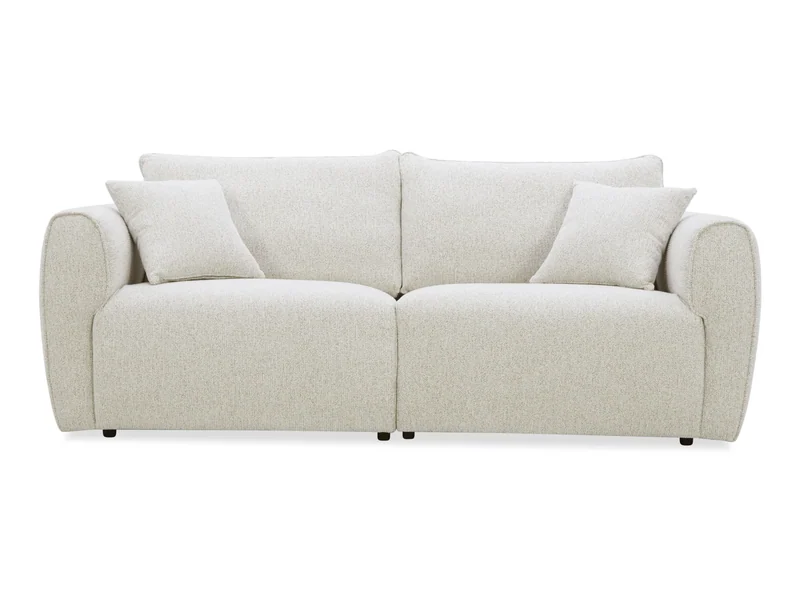 KW.2112
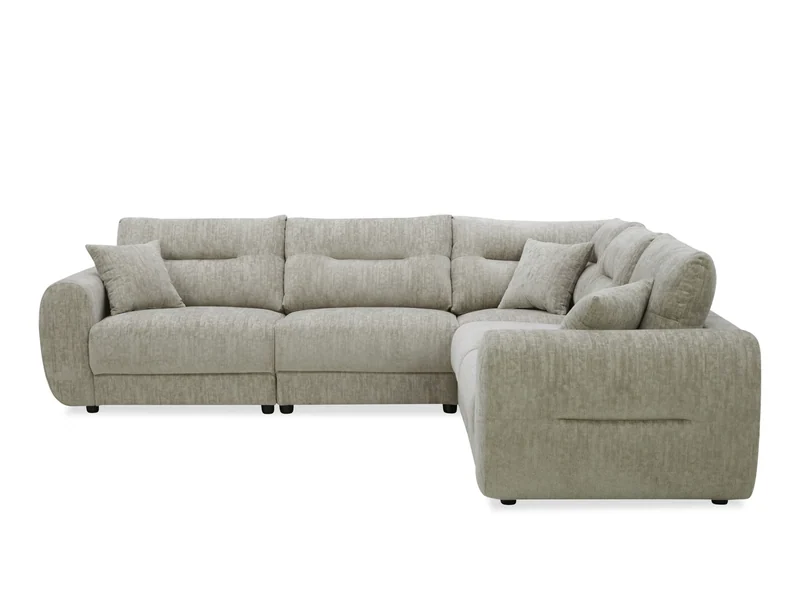 KW.2114
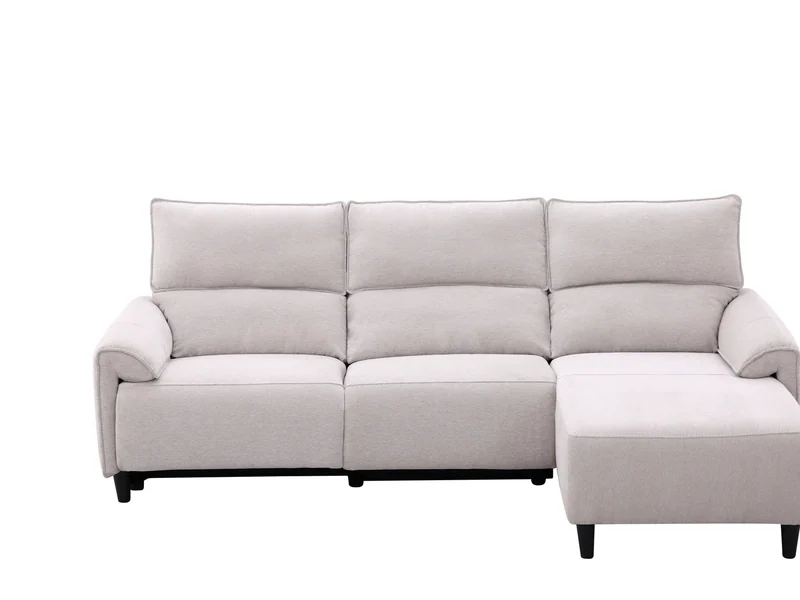 RD3544AF
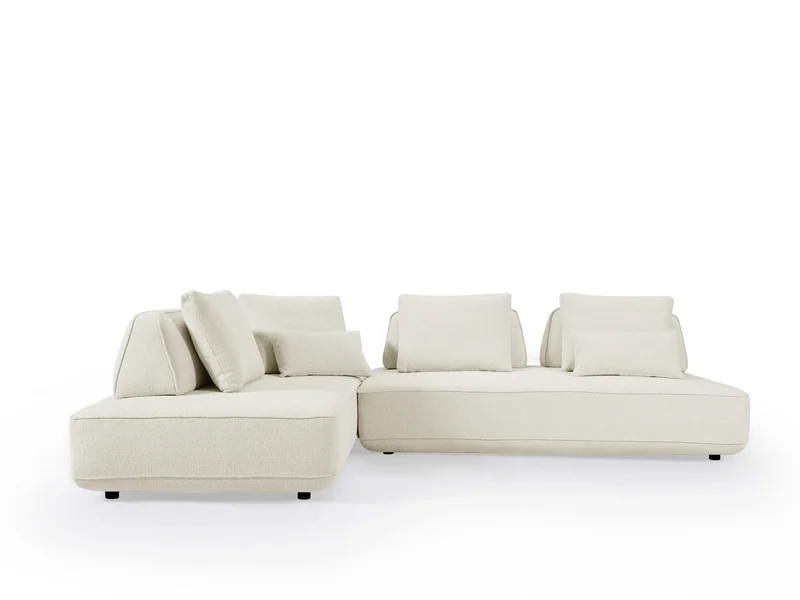 SF-379
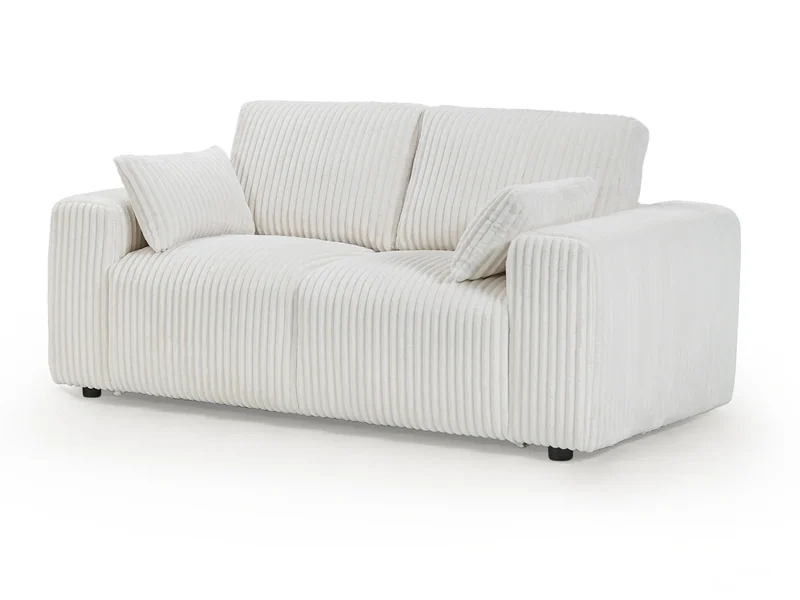 SF-396
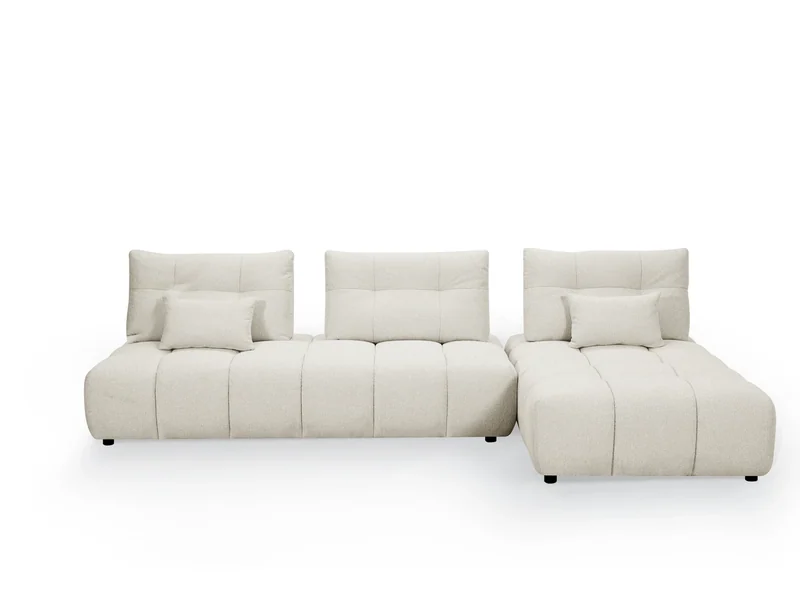 SF-525
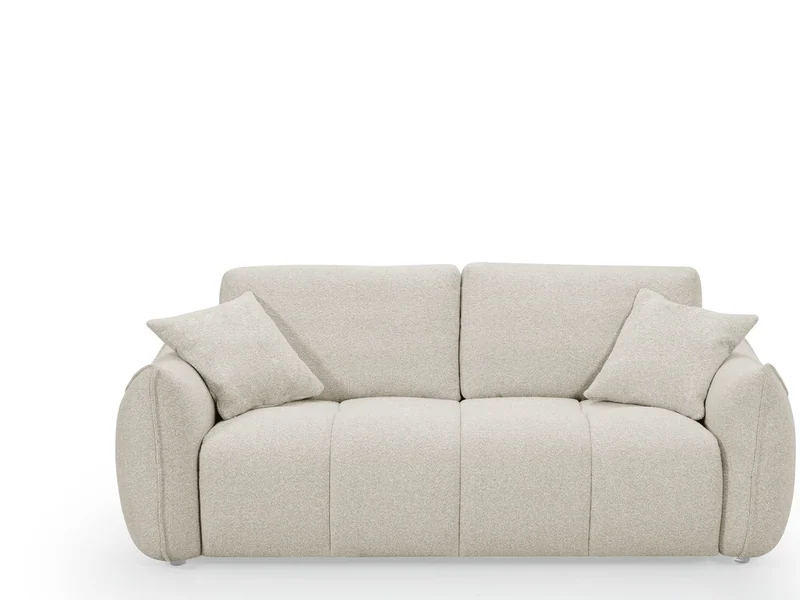 SF-531
Sofa sourcing FAQ
Can you match a sofa I found online?
Send the images, dimensions and any fabric or finish detail. We will check which factory makes that category and what can be changed without a new mould. We will not promise an exact copy from a photo alone.
How do you check foam quality?
We check density and grade against the approved specification, then compression and recovery on the finished piece. A feel test in a showroom is not enough.
Can I order a small trial run?
Often, depending on the model and the factory. A trial run is most useful when the factory has not made your exact product before. We confirm the minimum and the inspection plan before you commit.
Do you inspect every sofa?
We inspect against the agreed plan and specification. The report shows what was checked, what was found and what was photographed. It is not a claim that every unit was individually measured.
Can you consolidate sofas with other furniture?
Yes. We collect from multiple factories, check what arrives, and load one container with one packing list. That is usually cheaper and easier to receive than several separate shipments.
Send the reference, quantity and destination port. We will tell you what the factory can change, what it cannot, and what the next step looks like.
Send your requirements →