Tables from China: flat, stable and packed to arrive
A table looks like a top and a base. In production it is a moisture problem, an edge detail, a fixing and a very large carton. The order usually fails at one of those, not at the shape.
We source tables from Chinese workshops for importers, wholesalers and retail brands, as part of our furniture sourcing service. Dining, coffee, side and console tables are different products with the same three risks: the top moves, the base loosens, or the carton arrives with a corner missing.
The catalogue photo hides all three. A top can look flat and be twisted. A base can look solid and be fixed with two screws into a soft core. A carton can look strong and fail after a week in a humid container.
The top has to stay flat
Flatness is not only a machining tolerance. It is a moisture and construction decision. Solid timber moves as it takes on or loses water. A veneered top can cup if the core and the backing are unbalanced. A painted MDF top can look perfect in the sample room and show a wave after the first heating season.
We confirm the core, the thickness, the veneer or board, the backing and the moisture content before cutting. For solid tops we ask how the boards are joined and how the top is fixed to the base, because a top that is glued and screwed in every direction has nowhere to move.
At the sample stage the top is checked on a flat reference surface. At pre-shipment we check the production pieces the same way. A top that rocks on a bench will rock on a customer's floor.
The edge is where the price shows
An edge can be solid, lipped, banded or painted. Each has a different failure mode. A thin band can chip at a corner. A painted edge can show a line where the paint meets the face. A solid edge can move differently from the core and open a hairline over time.
We confirm the edge construction, the profile and the corner treatment before production, then check the first finished pieces. This is also where a lower quote usually hides: the same top shape with a thinner edge, a simpler profile or a colour-matched sticker instead of a finished edge.
The base decides the wobble
Legs, aprons, cross rails and levelling feet are a system. A leg fixed into an apron with two short screws will feel tight in the showroom and loosen after a few months of use. A pedestal base needs a plate that spreads the load, not just a column screwed to the underside.
We check the fixing, the contact between the base and the floor, and the movement under load at the sample stage. For knock-down tables we also check that the fittings can be tightened more than once without stripping the thread. A table that cannot survive a second assembly is a return waiting to happen.
What we fix before we quote
| Item | What we confirm | Why it matters |
|---|---|---|
| Top construction | Core, thickness, veneer or solid, backing, joint and moisture content | A balanced top stays flat; an unbalanced one cups after the finish |
| Edge detail | Solid, lipped or banded edge, profile, corner radius, paint or stain | The edge is the first place a cheaper quote becomes visible |
| Base and fixing | Leg or pedestal fixing, apron, cross rail, levelling, knock-down fittings | The top can be perfect and the table still wobble |
| Finish | Colour system, sheen, open or closed pore, batch and touch-up | A second batch can be a different colour even with the same name |
| Dimensions | Top size, height, overhang, seating clearance, leg position | Small changes alter balance, comfort and how the table packs |
| Carton and load | Carton strength, corner protection, top separators, stack and container mix | Large flat cartons are easy to damage and expensive to replace |
Three checks, three different jobs
The sample. We check the top on a flat surface, the edge profile, the base fixing and the finish against the approved standard. We also assemble the table and load it, because a base that feels tight by hand can still move under a plate and a pair of arms.
Mid-production. This is where we check the board batch, the moisture reading, the edge band or solid edge, the finish batch and the fittings. A factory can make a flat sample from a dry board and cut production from a batch that is still settling.
Pre-shipment. We check the finished tops, the base fittings, the hardware and the cartons before loading. If the order is going into a mixed container, the load plan is checked against the actual carton sizes. The checkpoints are the same ones described in furniture inspection in China.
Finish is a batch, not a colour
Two tables can carry the same finish name and still be different. The stain batch, the sealer, the spray thickness and the drying conditions all change the result. On a repeat order the difference is usually visible next to the first delivery, not in isolation.
We keep an approved sample or a physical colour standard and check the first production pieces against it. If the order has to match an existing range, say so before the deposit. A touch-up pen is not a colour match.
For EU buyers, wooden tables also bring the EUDR question: the species, origin and due-diligence evidence have to be available before the goods are placed on the market. That is a document question, but it is decided at the factory.
A table is a packing problem
Table tops are large, flat and easy to scratch. Bases are heavy and awkward. The cheapest packing is not always the safest: a thin carton with a corner protector can still let a leg punch through a finished top if the load plan puts weight in the wrong place.
We confirm the carton, the separators, the corner protection and the stack before the container is booked. Tops often ship separately from bases, which saves volume and reduces damage. On a mixed order we can consolidate the cartons with chairs, sofas or beds into one shipment and one packing list.
What we do not promise
We will not promise an exact stain match from a photo. We will not call a top solid oak unless the species and the visible parts are agreed. We will not promise that a timber top will never move; we can promise that the construction and the moisture content are specified, and that the top is checked flat before it ships.
What we can do is make the difference between the sample and the production batch visible before the balance is due.
What to send us
- The reference or drawings, including the top thickness, edge profile and base detail.
- Dimensions, height and the seating clearance you need.
- Species, veneer or board, finish system and sheen.
- Whether the table ships assembled or knocked down, and who assembles it.
- Quantity, destination port and the date you need it on the water.
Table references we work with
These are table models we have handled, not a stock list. Availability, MOQ and what the factory can change depend on the workshop and the model. If your reference is not here, send it and we will check which factory already makes that category.
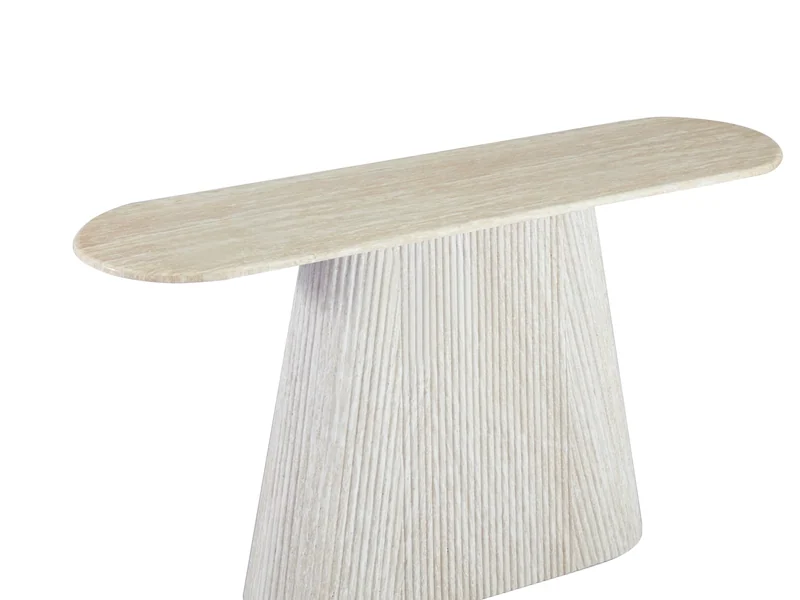 BS-1786
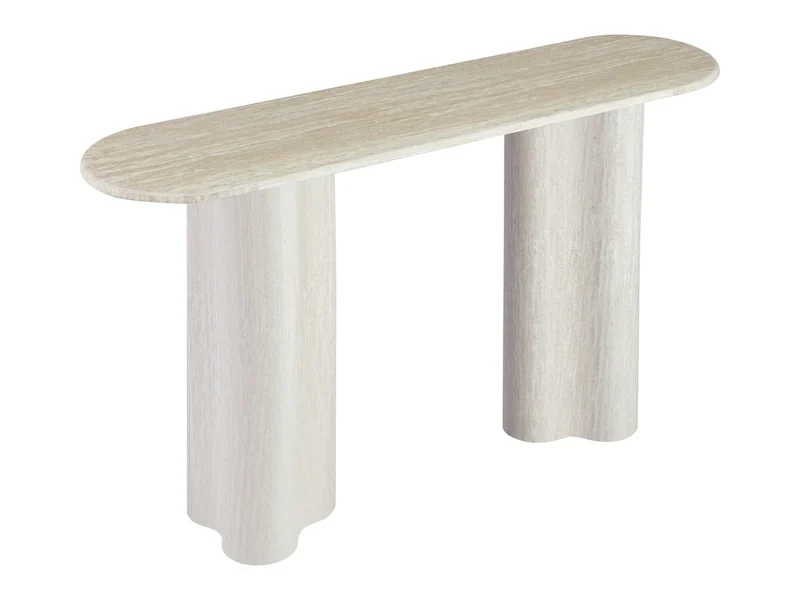 BT-1859
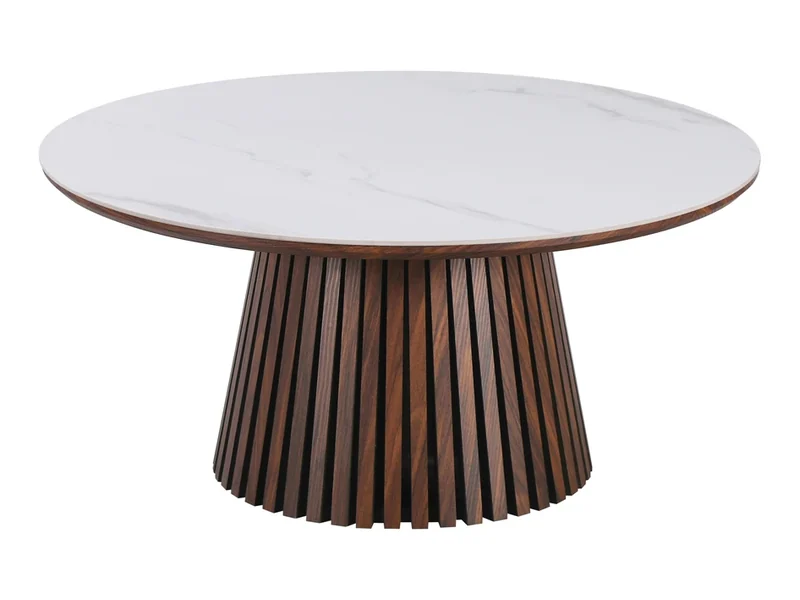 CT-01
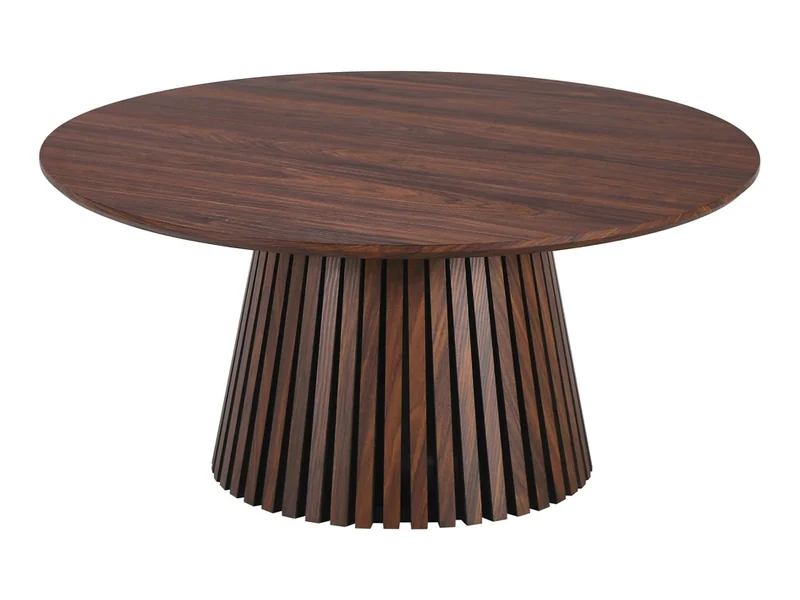 CT-02
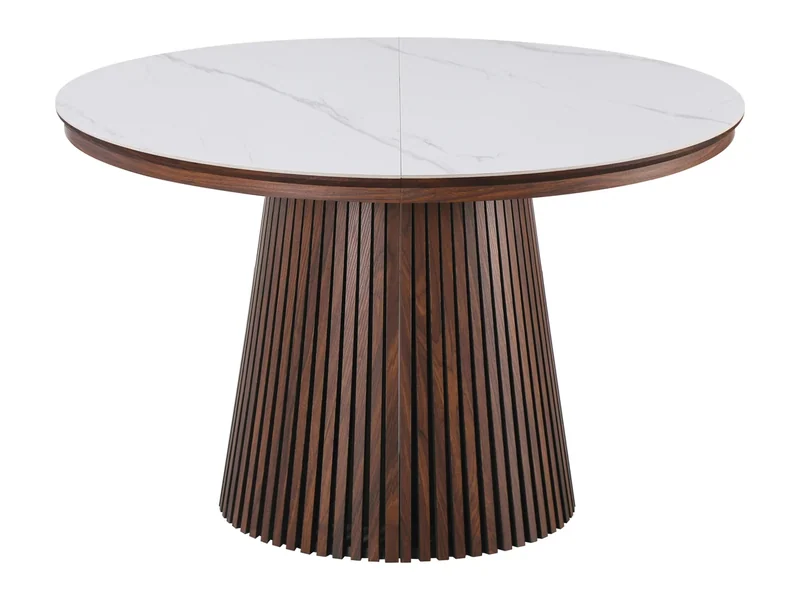 CT-03
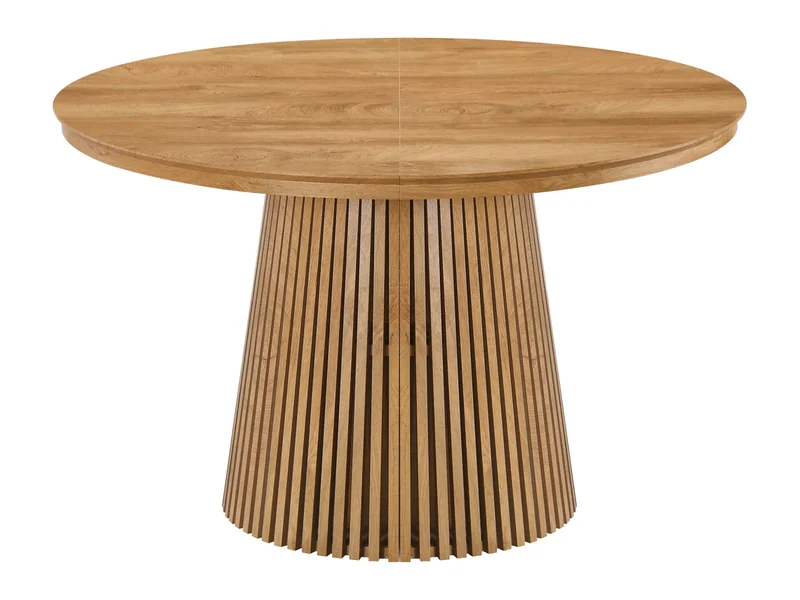 CT-04
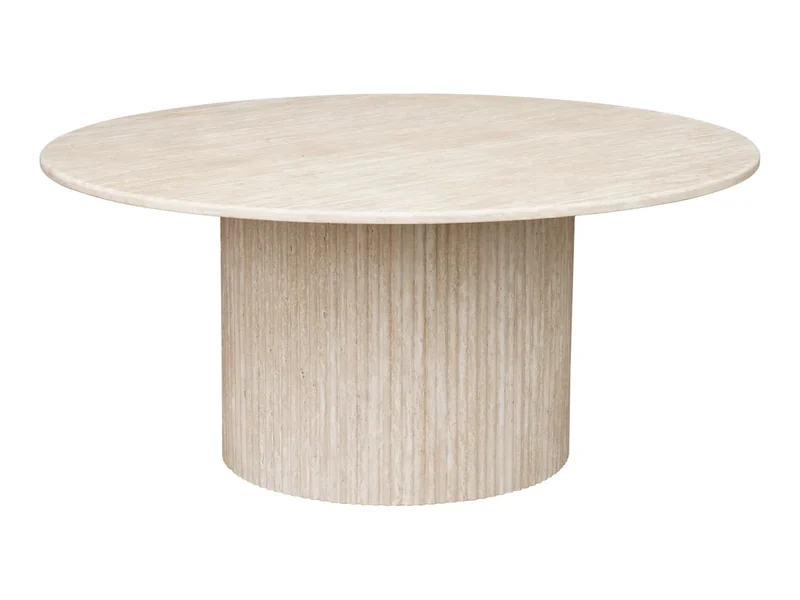 CT-1644
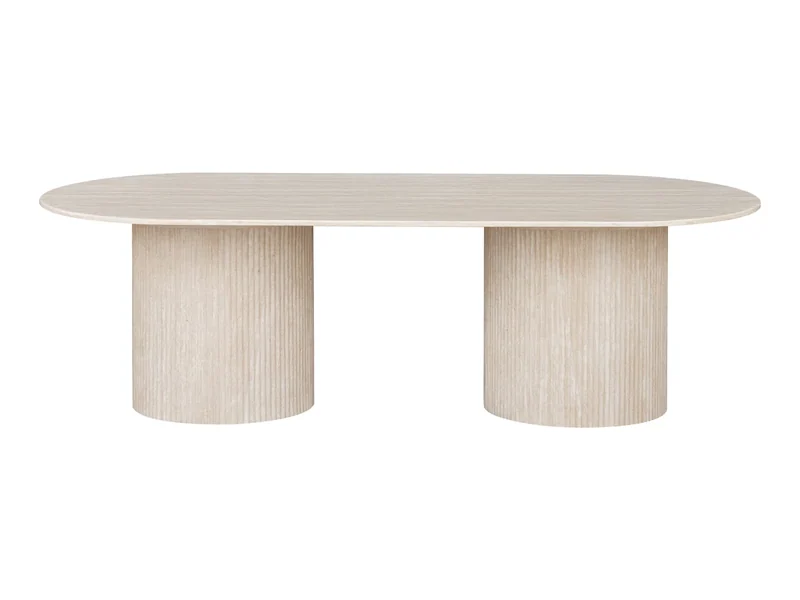 CT-1688
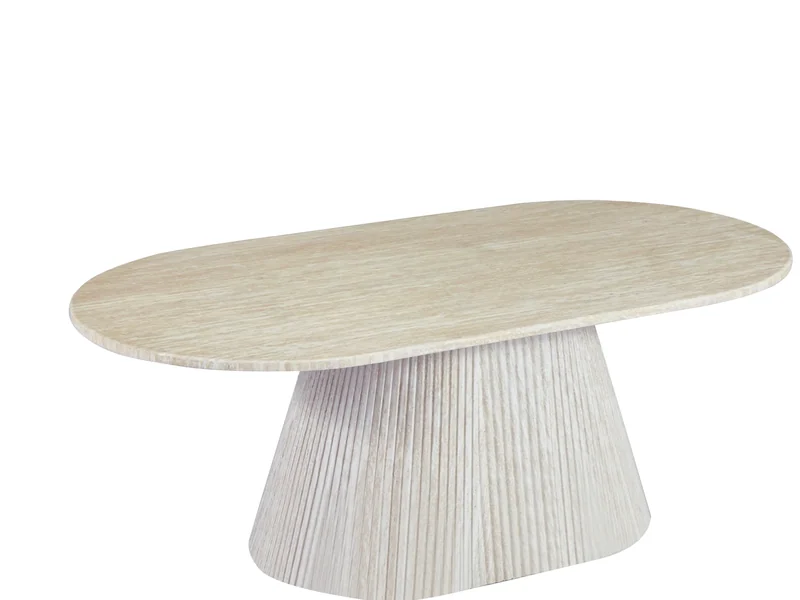 CT-1786
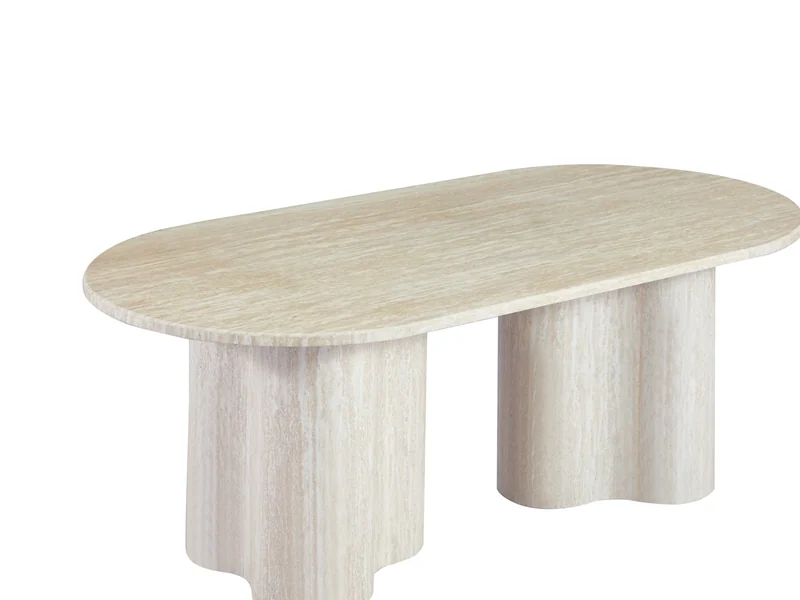 CT-1859
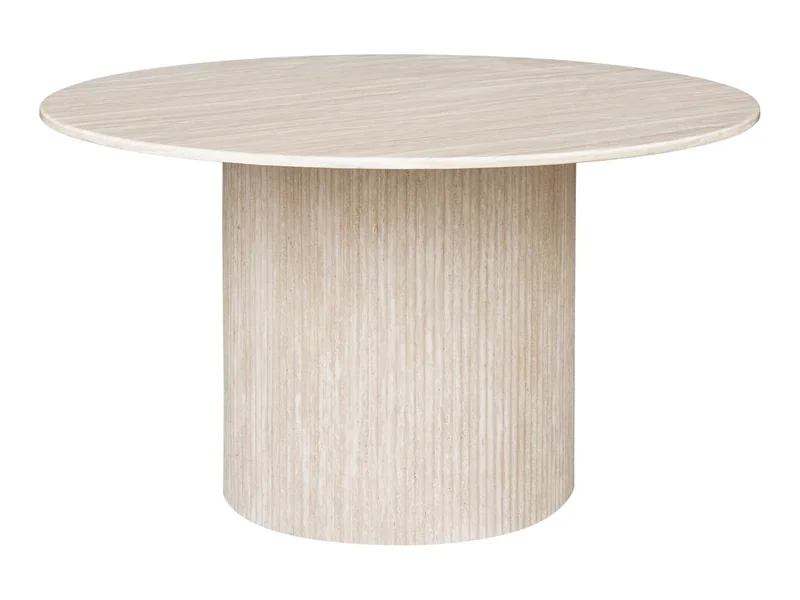 DT-1644
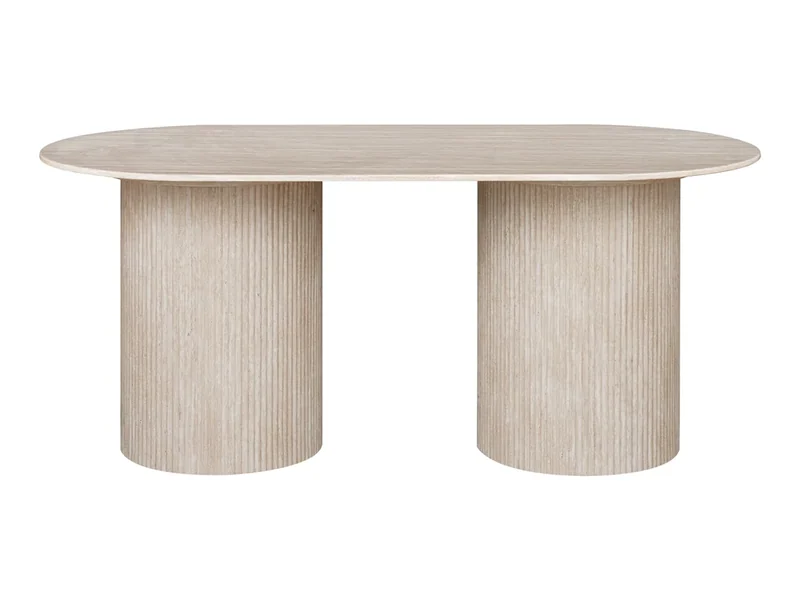 DT-1688
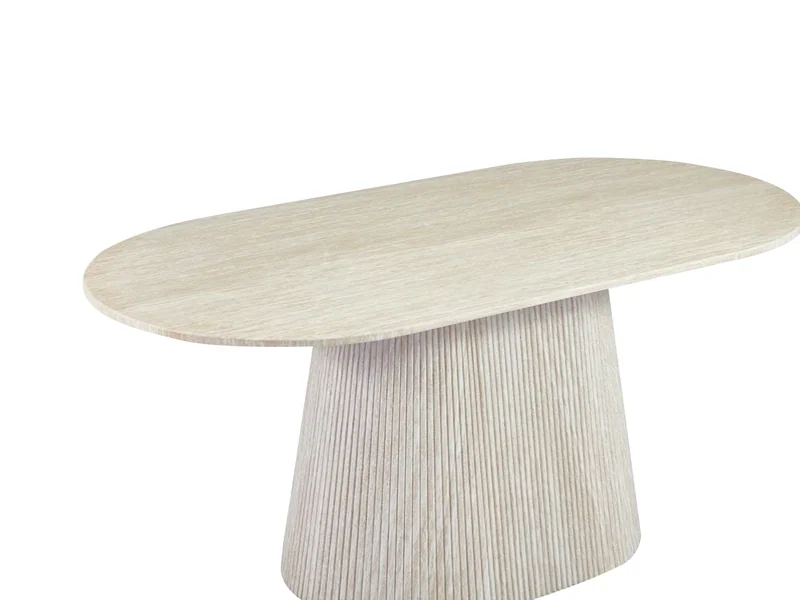 DT-1786
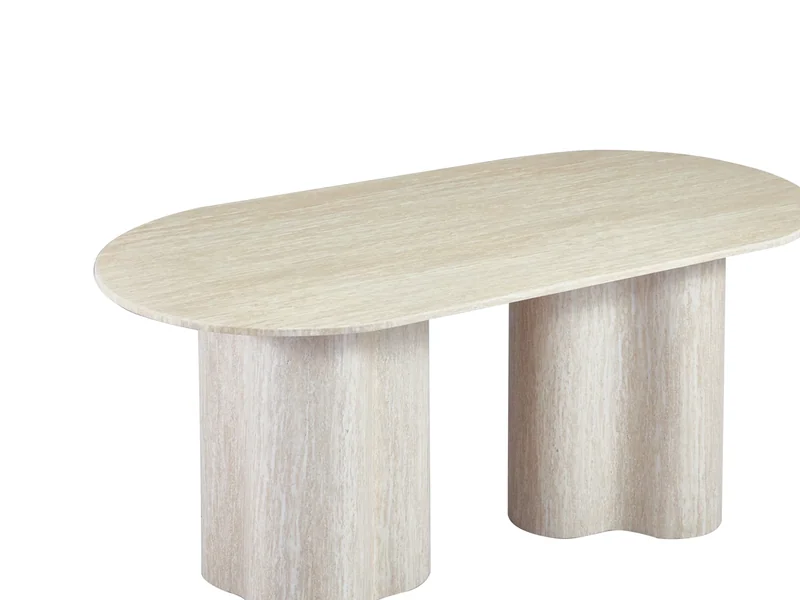 DT-1859
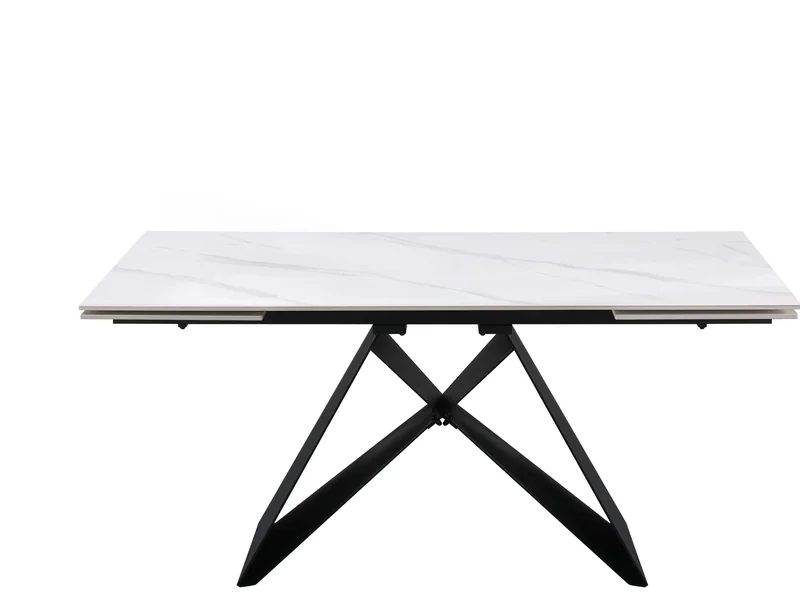 DT-8001
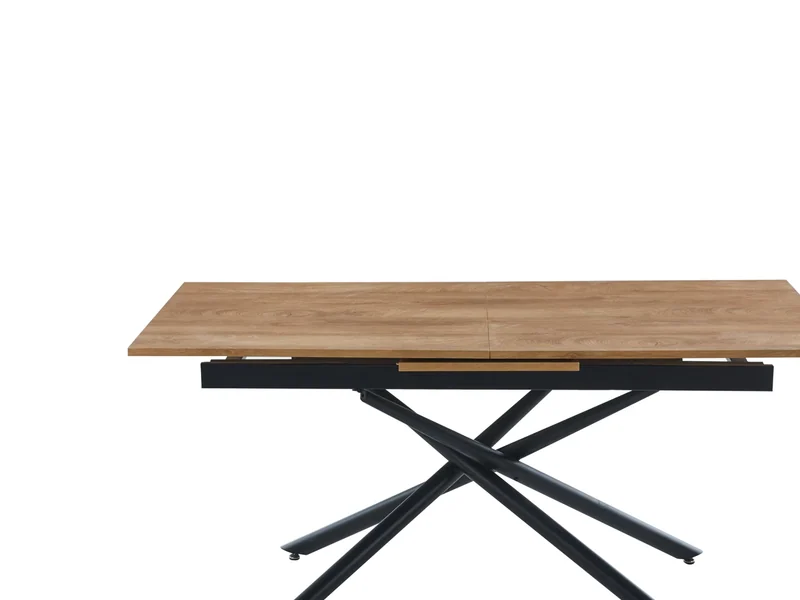 ETD-580015
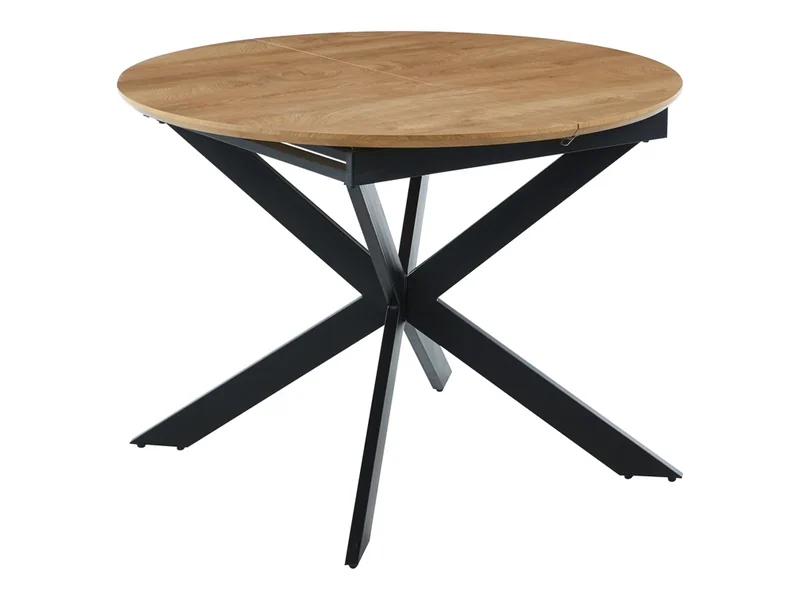 ETD-580016
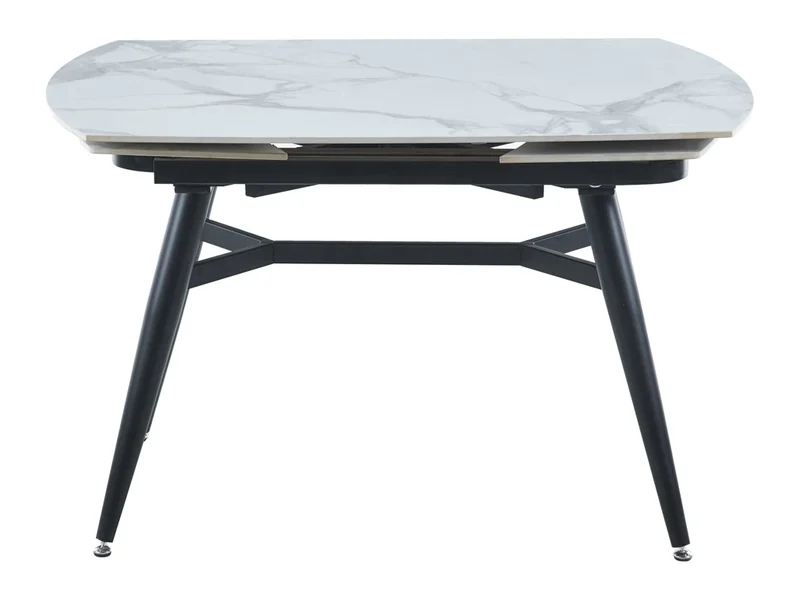 ETD-580019
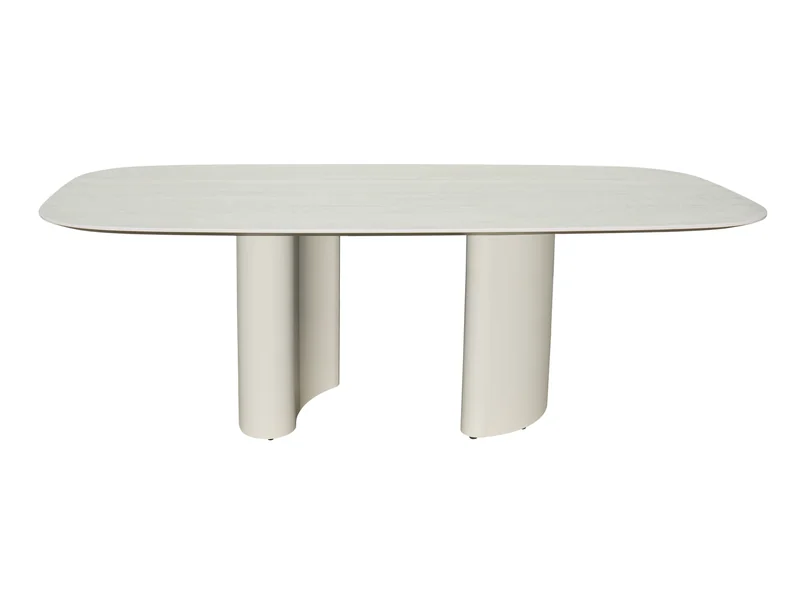 H-100
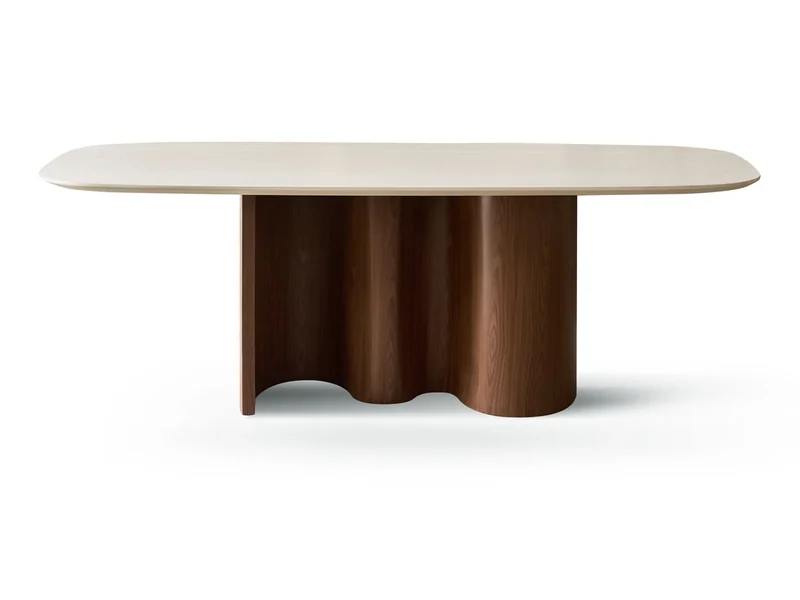 H-101
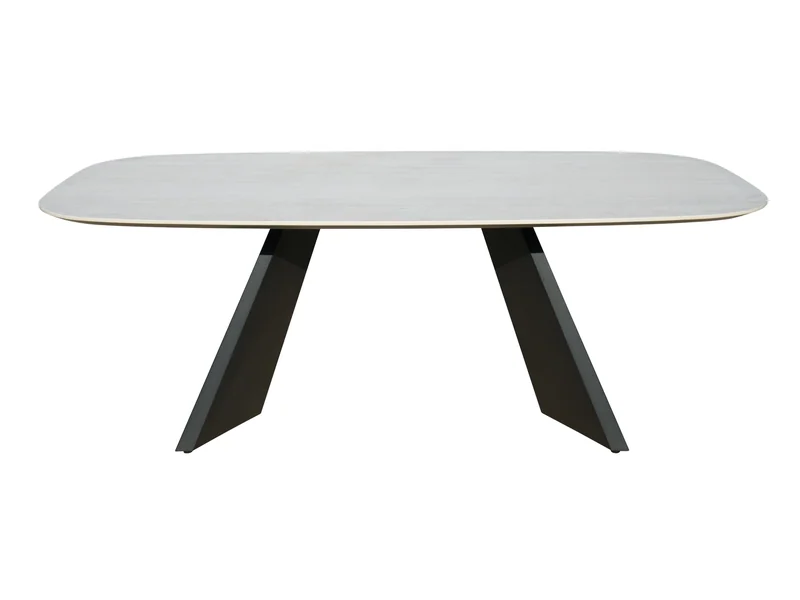 H-94
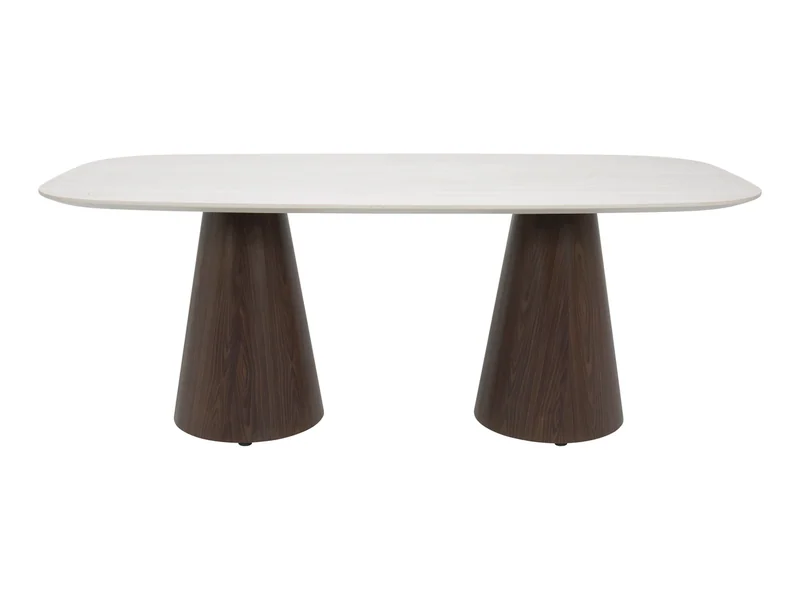 H-99
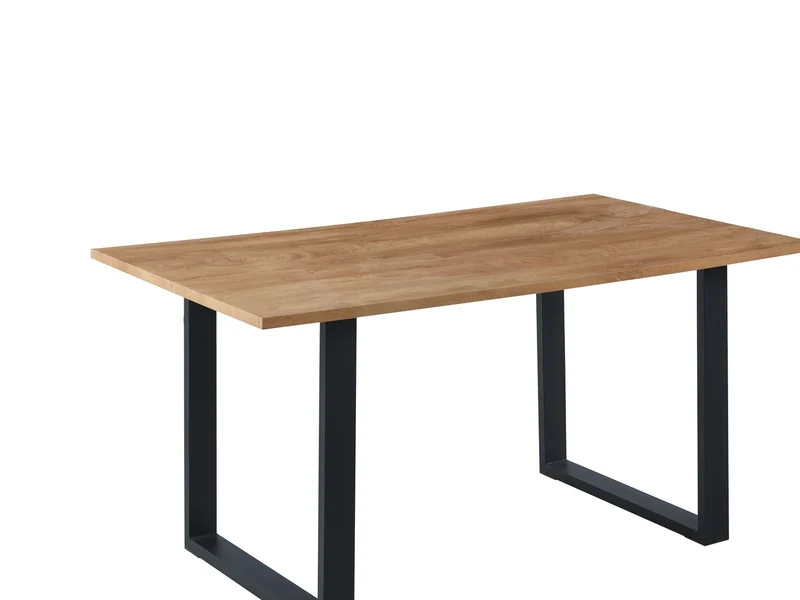 ST-2301
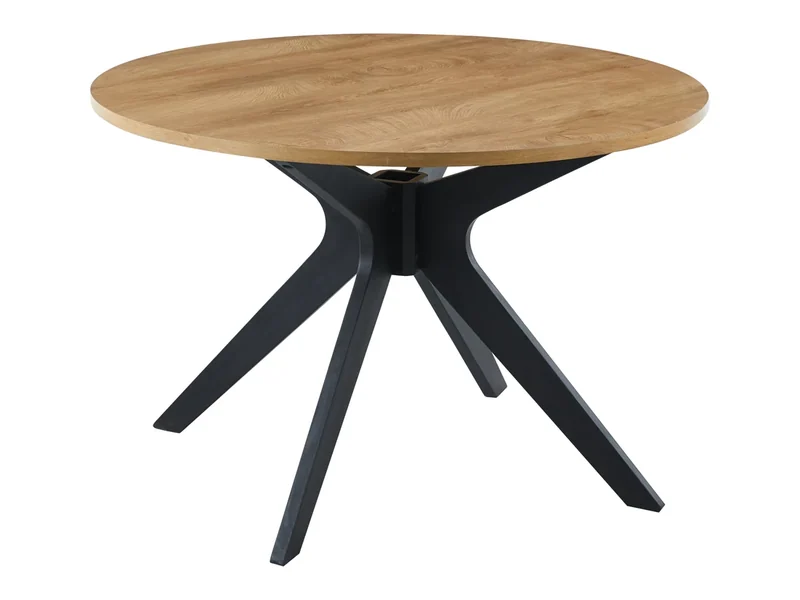 ST-2302
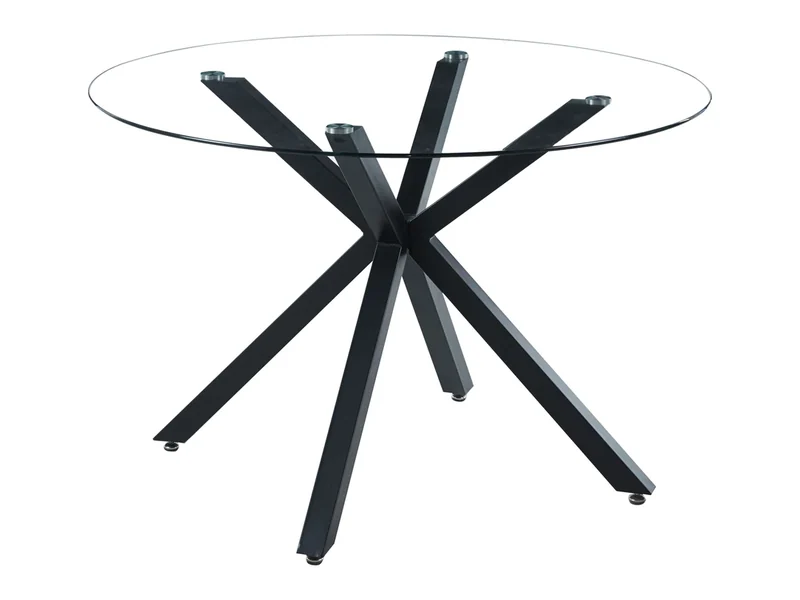 ST-2307
Table sourcing FAQ
Can you match the stain on an existing table?
We can match to a physical sample or a named finish system. A photo is a starting point, not a colour reference, because light, screen and camera all change the result. Send a sample board or a cut piece if the match has to be close.
How do you check whether a top is flat?
We check the top on a flat reference surface at the sample and pre-shipment stages, and record any gap or twist. The specification also fixes the core, the moisture content and how the top is supported, because flatness is decided before the finish.
Can the tops ship separately from the bases?
Often, yes. Flat tops pack more efficiently and reduce the risk of a leg punching through a finished surface. We confirm the packing method and the hardware needed for assembly before the order is placed.
Do you test stability?
We check the base fixing, the leg contact and the movement under load at the sample stage. A pre-shipment check confirms the production pieces use the same fittings and the same base geometry.
Can tables ship with chairs and other furniture?
Yes. We consolidate from several factories into one container with one packing list. Table tops usually set the footprint of the load plan, so we confirm the carton dimensions before booking.
Send the reference, the top size and the destination port. We will tell you what the factory can change, what it cannot, and what the next step looks like.
Send your requirements →