Beds from China: the joint, the slats and the carton
A bed is sold as a headboard and a shape. It is produced as a load-bearing frame, a slat system, a headboard fixing and a flat-pack. Most of the problems that reach the customer are decided long before the finish is sprayed.
We source beds from Chinese workshops for importers, wholesalers and retail brands, as part of our furniture sourcing service. The brief is rarely "find a bed". It is a size, a mattress, a headboard height, a finish, a target price and a container plan.
That is where the difference sits. Two beds can look the same in a catalogue and behave differently after six months: one stays quiet, the other develops a squeak at the rail, a bow in the slats or a headboard that moves when someone sits up against it.
A bed is a load-bearing product
A sofa is judged by how it sits. A bed is judged by what happens when a mattress, a body and time are added. The centre rail carries the load. The slats spread it. The side rails hold the slats. The headboard bracket ties the panel back to the frame. If one of those is undersized, the finish will still look correct and the bed will still fail.
The weakest point is usually where the headboard meets the side rail. A headboard fixed only into the back panel, or only through the upholstery, will move as soon as someone leans on it. The fixing has to reach the frame, and the bracket has to match the weight of the panel.
This is also why a sample has to be assembled, not just photographed. A bed that is solid on the sample-room floor can still be a bed that arrives with the wrong bolts, a missing centre leg or slats that were cut from a different batch.
What we fix before we quote
We do not quote from a picture alone. Before a price means anything, these points have to be written into the specification.
| Item | What we confirm | Why it matters |
|---|---|---|
| Load-bearing frame | Side rail section, centre rail, centre support, joint type, glue and fixing | The frame decides whether the bed stays quiet, not the headboard photo |
| Slat system | Slat type, thickness, count, spacing, end fixing and spare slats | Too few or too thin slats shorten mattress life and soften the feel |
| Mattress interface | Internal length and width, clearance, mattress height, stop rail | A bed built to a nominal size can still be wrong for the mattress you stock |
| Headboard fixing | Bracket type, fixing points, panel weight, wall clearance | This is the first part to move and the hardest to repair after delivery |
| Finish and upholstery | Species or board, veneer, lacquer, fabric direction, seam and padding | Colour and panel direction are where a matched range breaks |
| Flat-pack and hardware | Fitting type, hardware bag, spares, instruction sheet, carton | A missing bolt stops a sale; a weak carton turns a bed into a claim |
Three checks, three different jobs
The sample. We assemble it, load it and check the movement at the headboard and the rail. We count the hardware, test the fittings and compare the internal size with the mattress specification. A sample that only looks right is not a pass.
Mid-production. This is where we check the rail machining, the slat batch, the finish batch and the hardware that has been packed so far. A factory can make a good sample by hand and still machine the production rails to a different depth.
Pre-shipment. We open cartons, check the hardware bags and instruction sheets, and look at the carton condition before loading. If the order includes assembly, the inspection plan says so. The checkpoints are the same ones described in furniture inspection in China.
Mattress size is a specification, not a guess
Bed sizes are not universal. A European 160 cm bed, a UK 5 ft bed and a US queen are not the same internal frame, and a mattress labelled with the same nominal width can vary by a centimetre or two between suppliers. The clearance around the mattress is a decision: too tight and the mattress will not drop in; too loose and it moves inside the frame.
Send the mattress dimensions you actually stock, including the tolerance your supplier quotes. We set the internal frame from those numbers and confirm the stop rail and the height of the mattress above the side rail. That is a more useful conversation than arguing about what a "standard" bed size means in three different markets.
Flat-pack is a quality decision
Most beds ship knocked down. That makes the fitting and the hardware part of the product, not a warehouse detail. Cam locks, dowels, bolts and brackets have to match the sample, and the hardware bag needs the right count plus a few spares. The instruction sheet has to be in the language the customer reads.
A bed that takes two people four hours to assemble is a customer service problem. A bed that arrives with one bolt missing is a return. Both are cheaper to fix at the factory than at the customer's home, which is why we check the hardware bag before the cartons are sealed.
The headboard is the packaging problem
Headboards are tall, heavy and often upholstered. They take a separate carton, need corner protection and cannot be loaded against a hard edge. On a mixed order they also set the height of the load plan, which affects how many beds, sofas or tables fit in the container.
We plan the carton dimensions and the stack before the container is booked, not after the goods are ready. If the order is split across several factories, we can consolidate the cartons into one shipment with one packing list. That is usually simpler than three arrivals and three sets of documents.
What we do not promise
We will not promise an exact copy of a photo without the drawings and the specification. We will not describe a bed as solid wood unless the species and the visible parts are agreed. We do not sell mattresses, and we do not treat a catalogue size as a mattress guarantee.
What we can do is make the gap between the sample and the shipment visible before the balance is due. That is the part that decides whether the next order is a repeat or a repair.
What to send us
- The reference or photos, including the headboard back, the rail joint and the slat detail.
- Mattress dimensions you stock, plus the clearance you want around the mattress.
- Headboard height, panel weight if known, and whether it must fix to the frame or the wall.
- Finish, fabric direction and whether the bed must match an existing range.
- Quantity, destination port, container plan and the date you need it on the water.
If you are still deciding what to lock before the deposit, the first-order checklist covers the commercial side. The specification side is above.
Bed references we work with
These are bed models we have handled, not a stock list. Availability, MOQ and what the factory can change depend on the workshop and the model. If your reference is not here, send it and we will check which factory already makes that category.
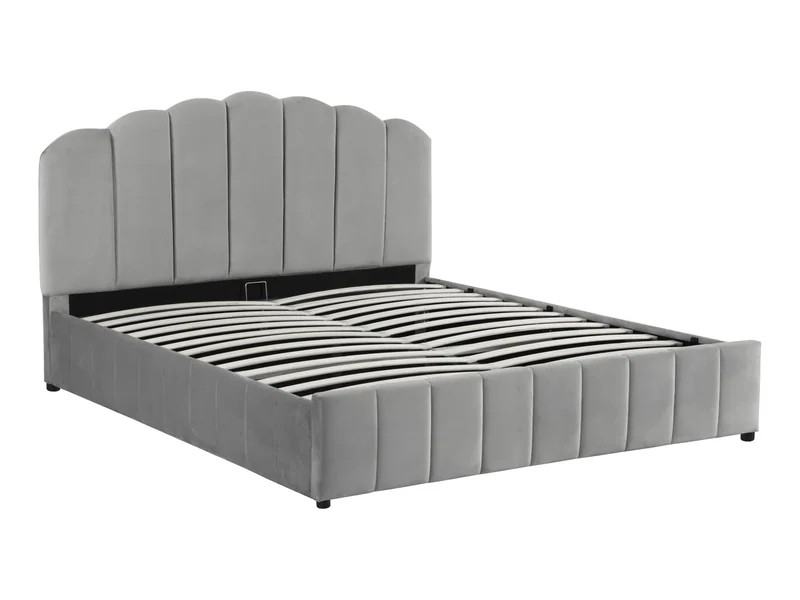 1600G
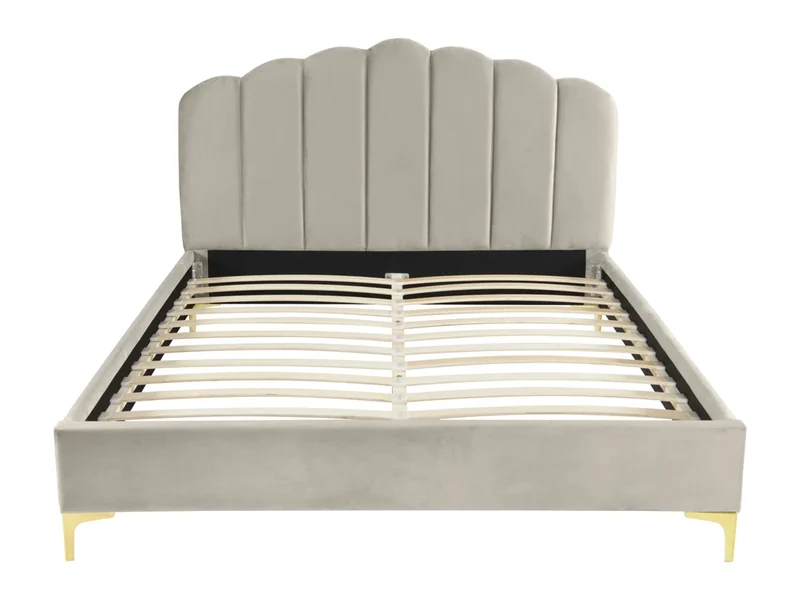 1655
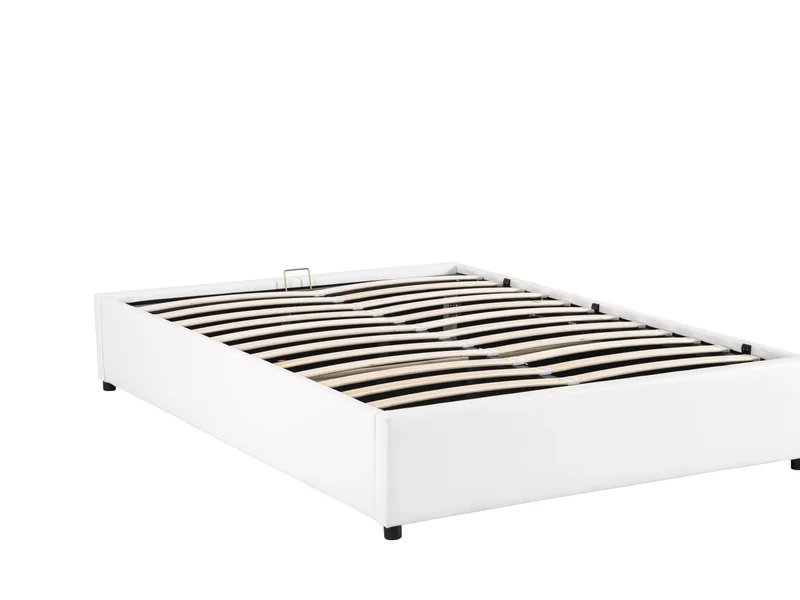 2155G
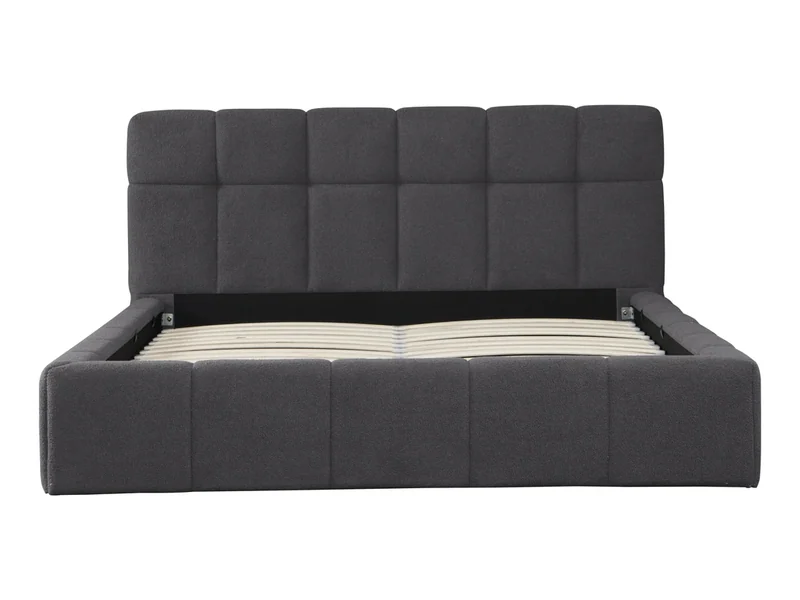 4575G
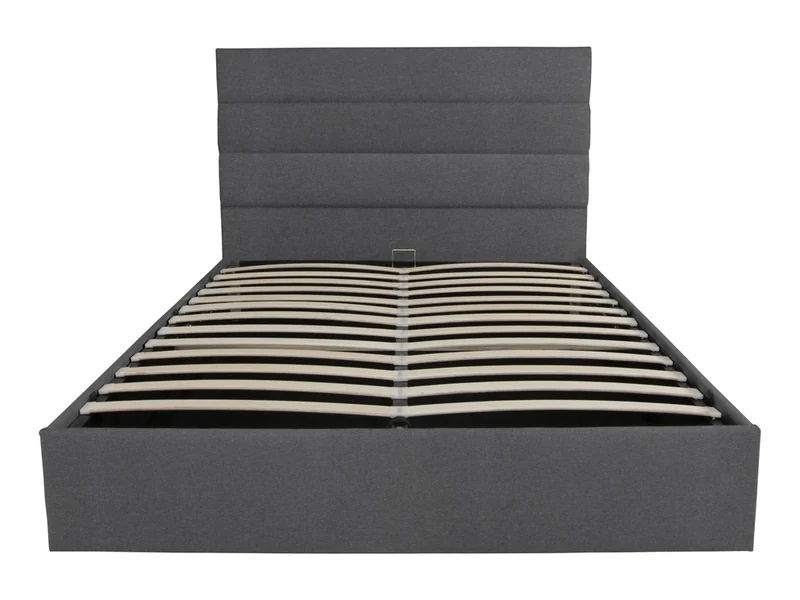 P3008
 ZX-1158
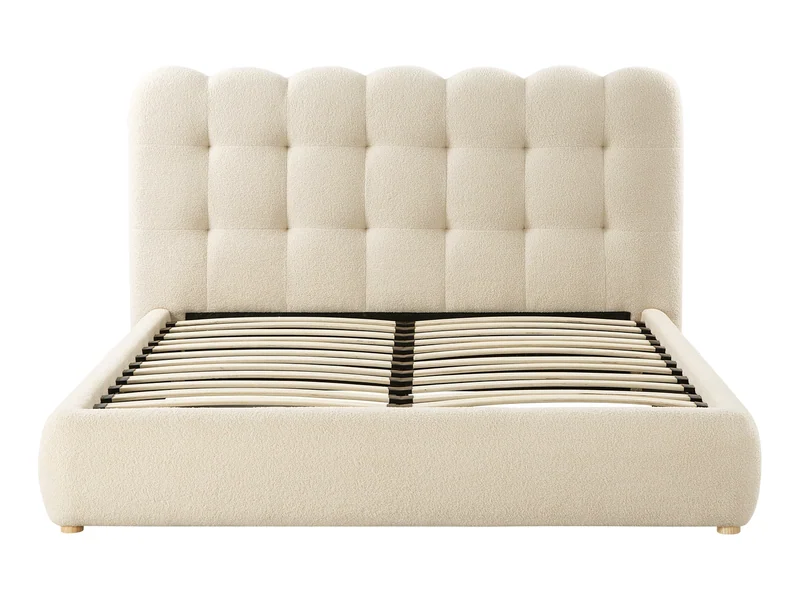 ZX-1199
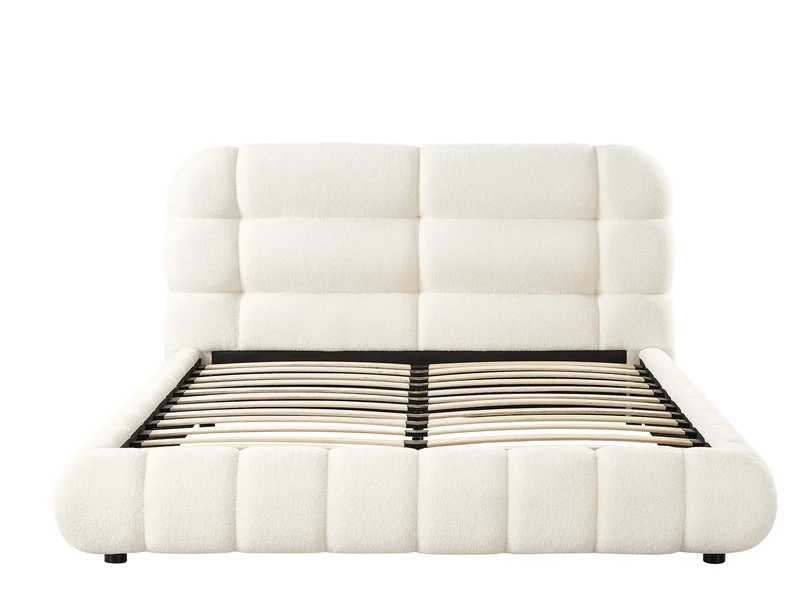 ZX-1201
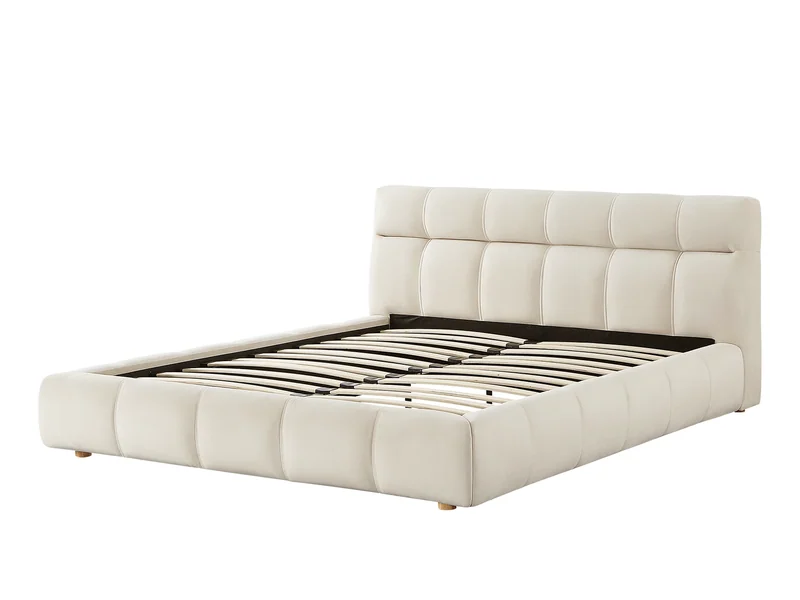 ZX-1205
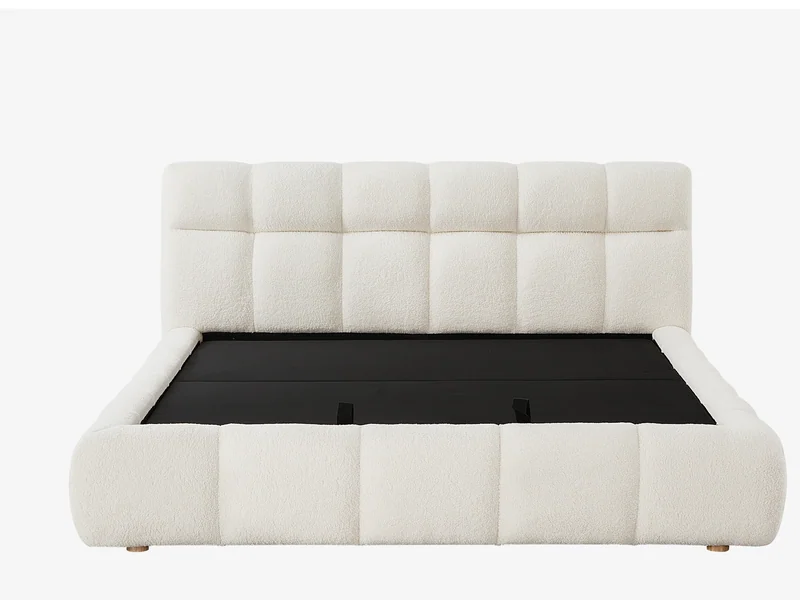 ZX-1206
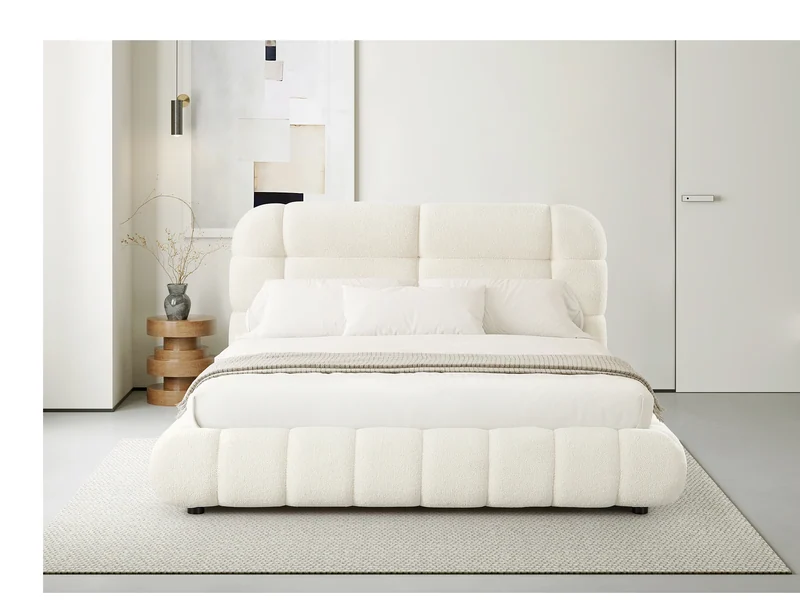 ZX-1207
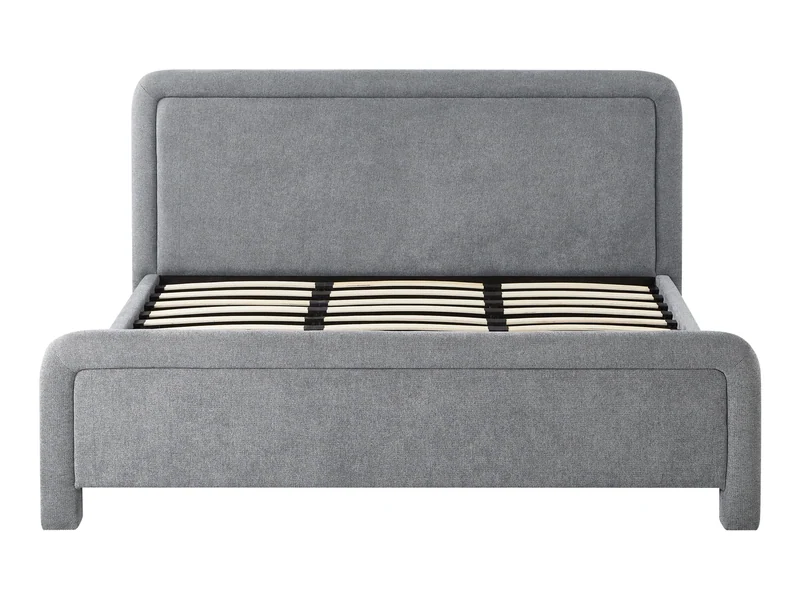 ZX-1211
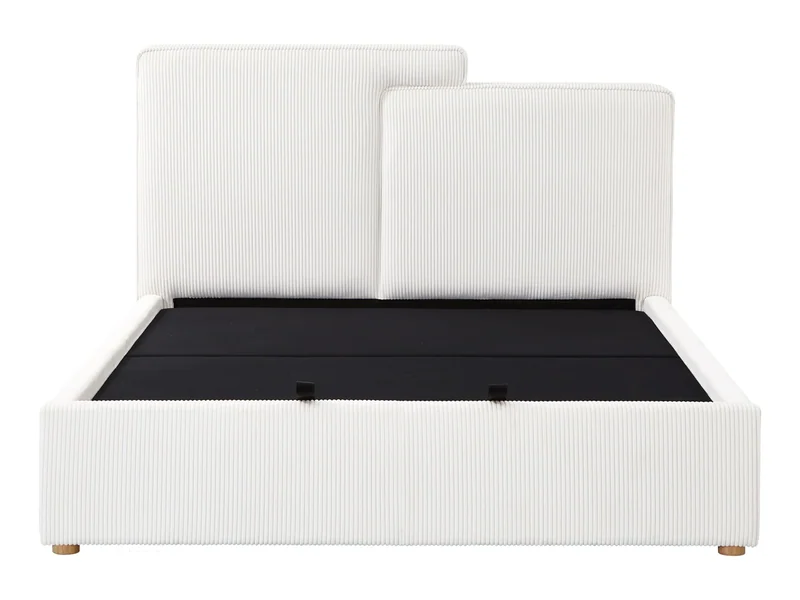 ZX-1212
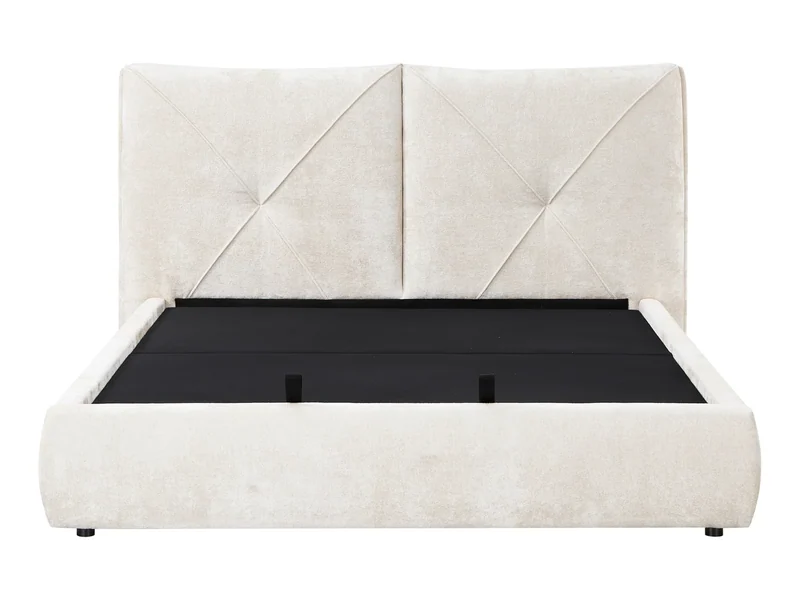 ZX-1215
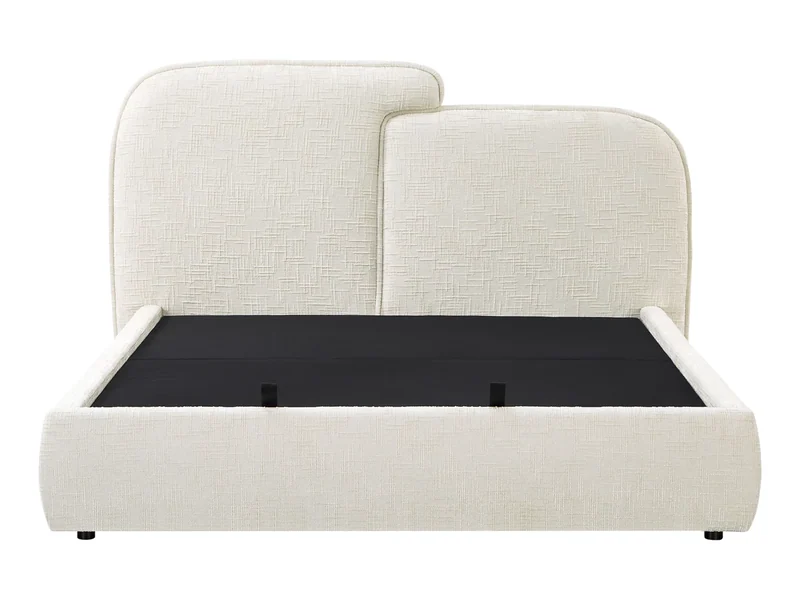 ZX-1216
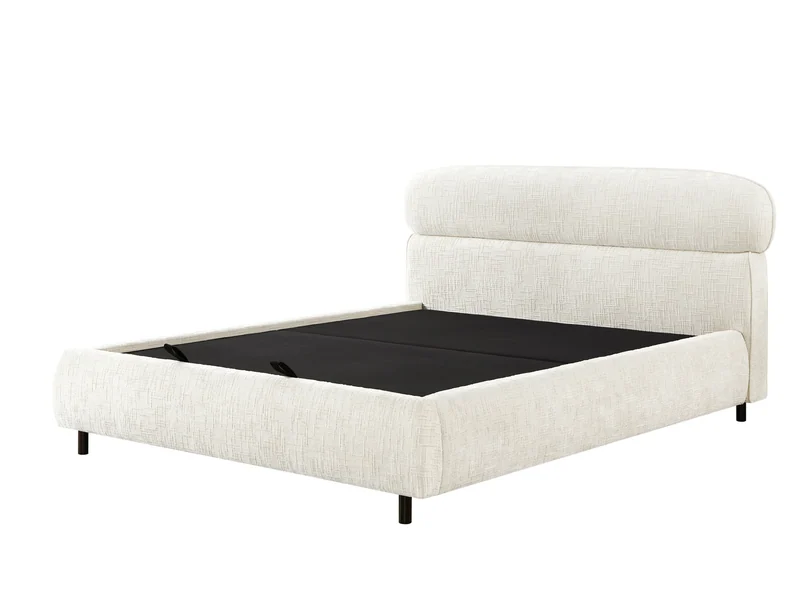 ZX-1217
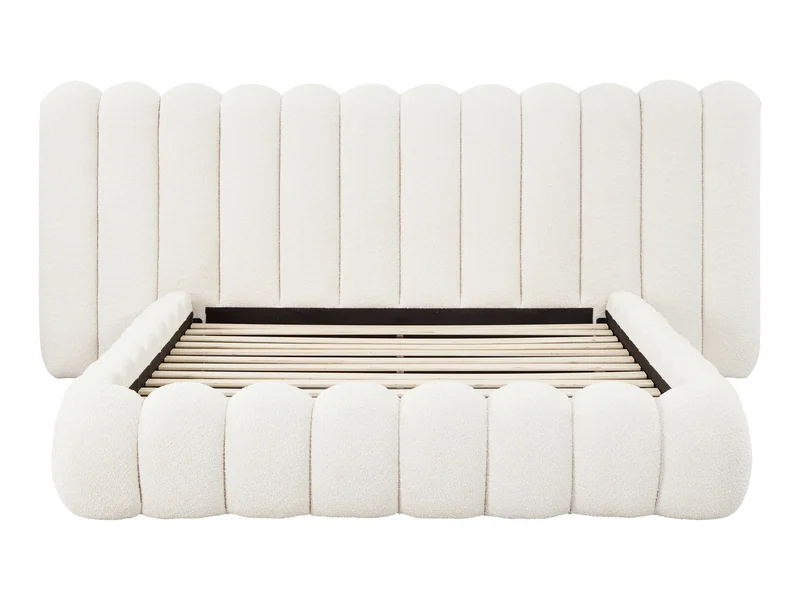 ZX-1226
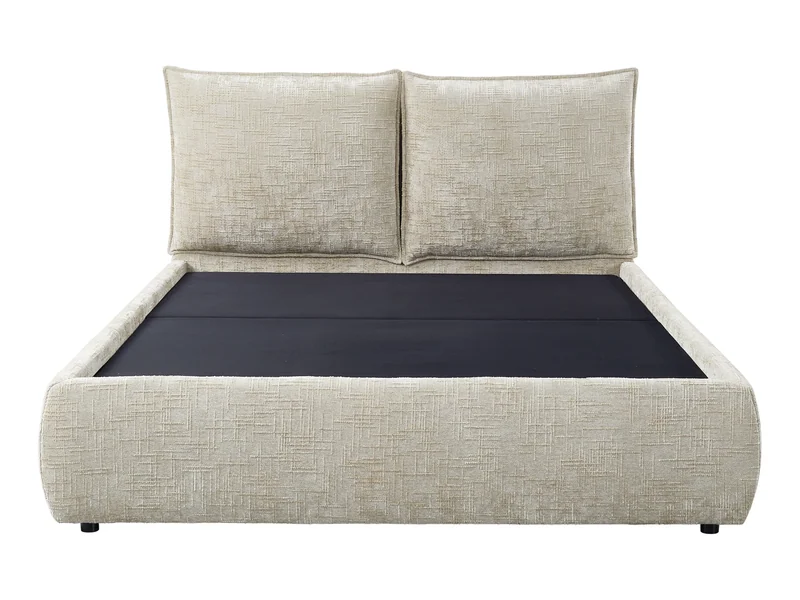 ZX-1282
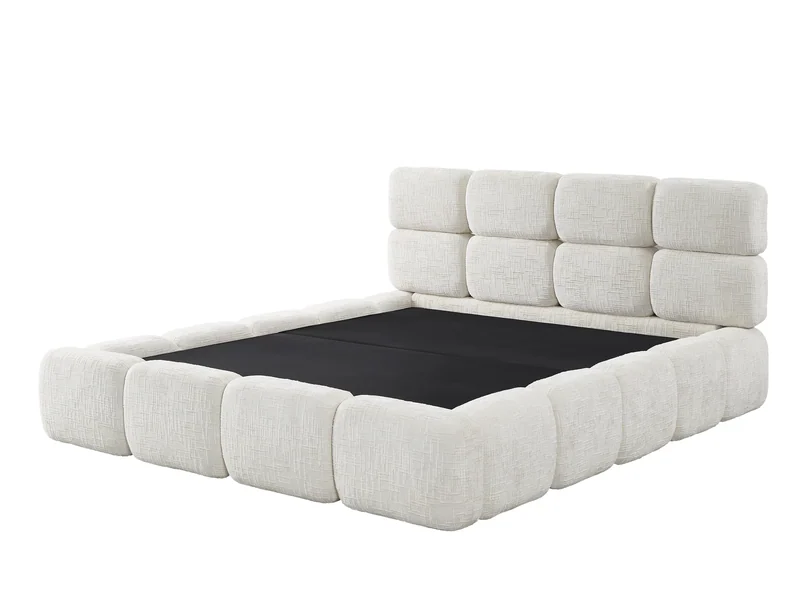 ZX-1283
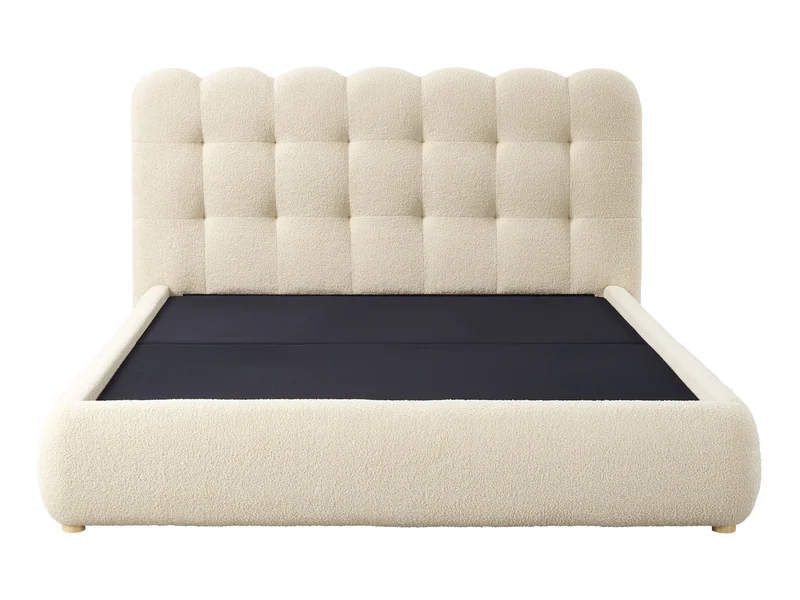 ZX-1289
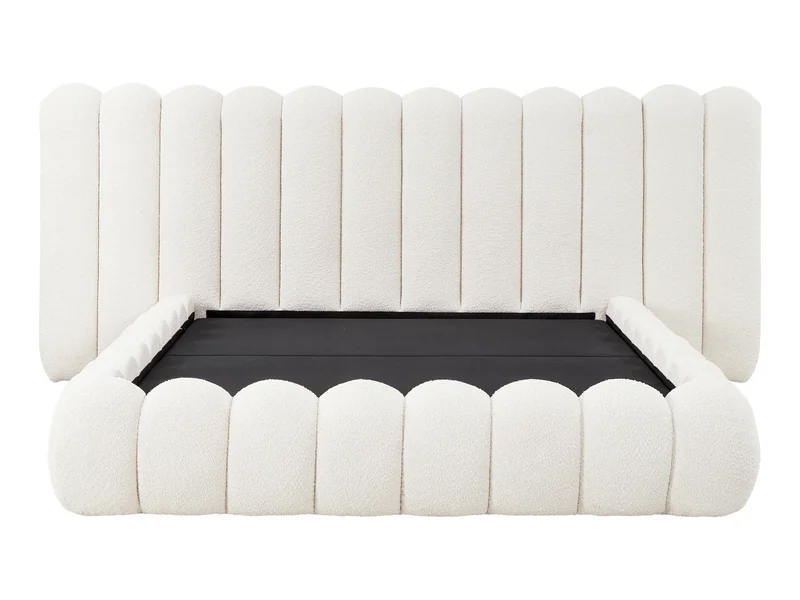 ZX-1339
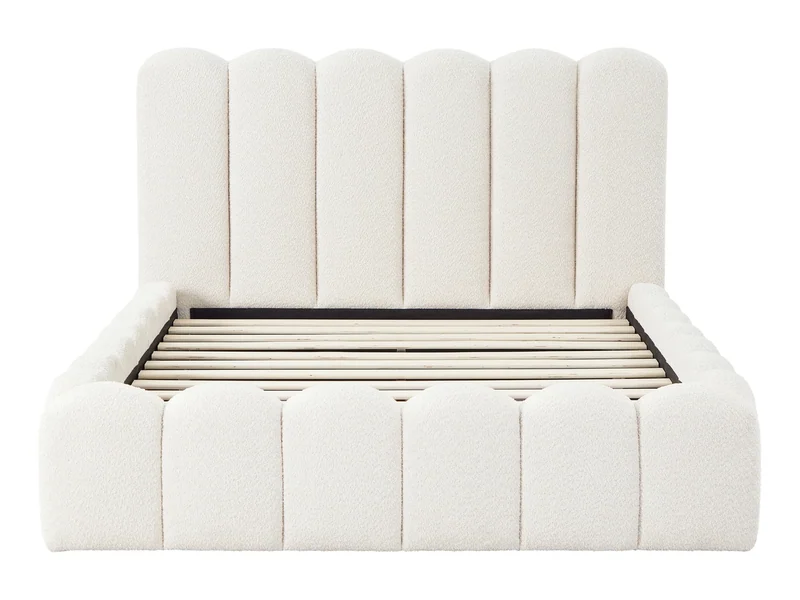 ZX-1359
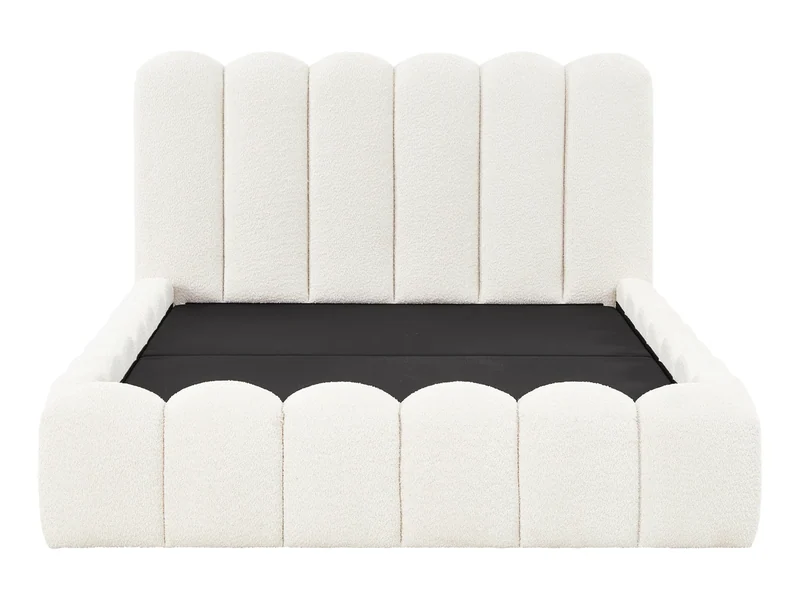 ZX-1360
Bed sourcing FAQ
Can you build a bed around a mattress I already stock?
Yes. Send the mattress dimensions, including any tolerance your supplier quotes. The internal frame is set from those numbers, not from the nominal bed size on a catalogue page.
Are slats included?
It depends on the factory and the model. We confirm slat type, thickness, count, spacing and whether spares are supplied before the order is placed, and the answer goes into the specification.
Can the headboard use my own fabric?
Usually, if the fabric is suitable for the frame and the finish. Send the composition, width and any fire or rub requirement. We check how it behaves on the panel before production, not after.
Do you check that the bed can be assembled?
We check components, fittings and hardware against the approved sample. A pre-shipment assembly check can be added to the inspection plan, and the report states what was assembled and what was found.
Can beds ship in the same container as sofas and tables?
Yes. We collect from several factories, check what arrives, and load one container with one packing list. Beds are usually the tallest cartons, so the load plan is set before the container is booked.
Send the reference, the mattress size and the destination port. We will tell you what the factory can change, what it cannot, and what the next step looks like.
Send your requirements →